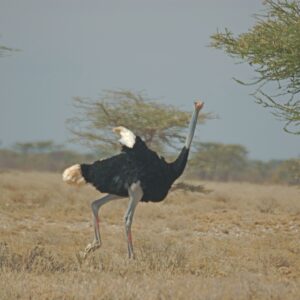
Ngorongoro Conservation Area

Ngorongoro Conservation Area

Ngorongoro Conservation Area

  • Best Time to Visit: June – October for clear weather; November – March for lush landscapes.
  • Entry Fees: USD 70 per adult per day (approx.).
  • Country: Ngorongoro District

Places to visit in the Ngorongoro Conservation Area
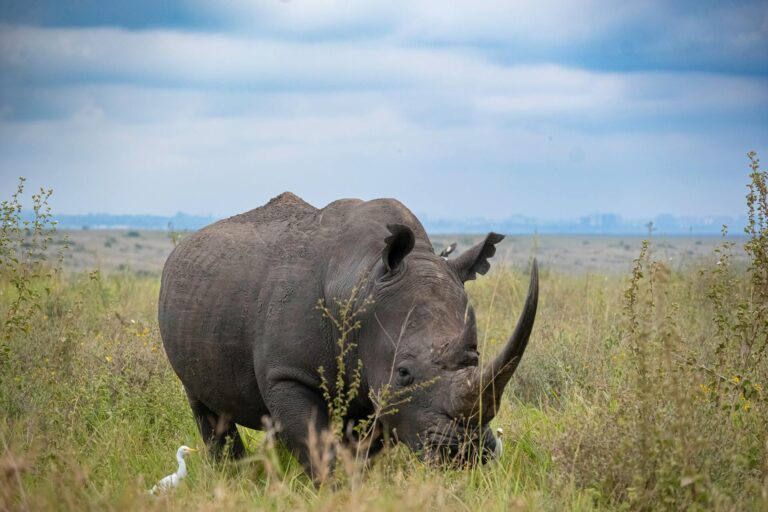
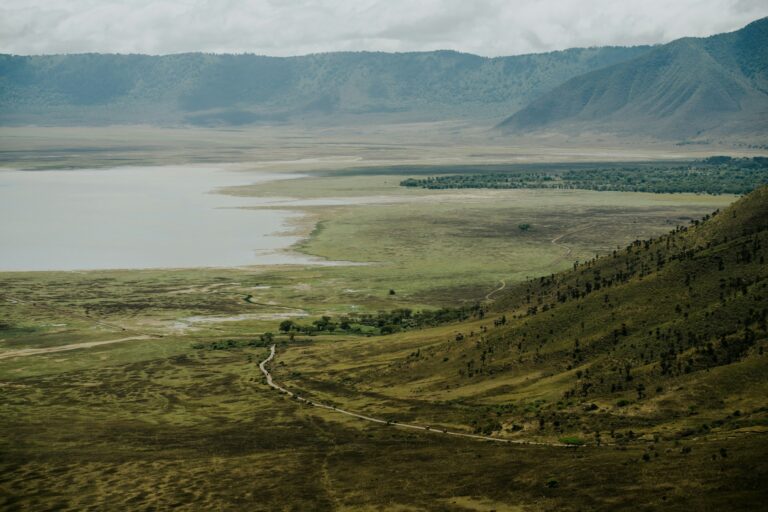
The Crater Floor – A Natural Stronghold

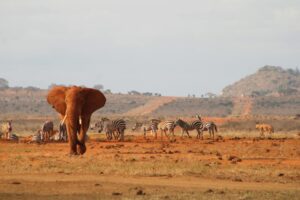
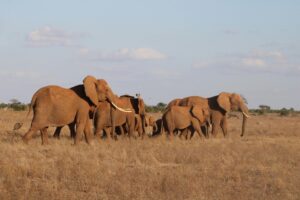
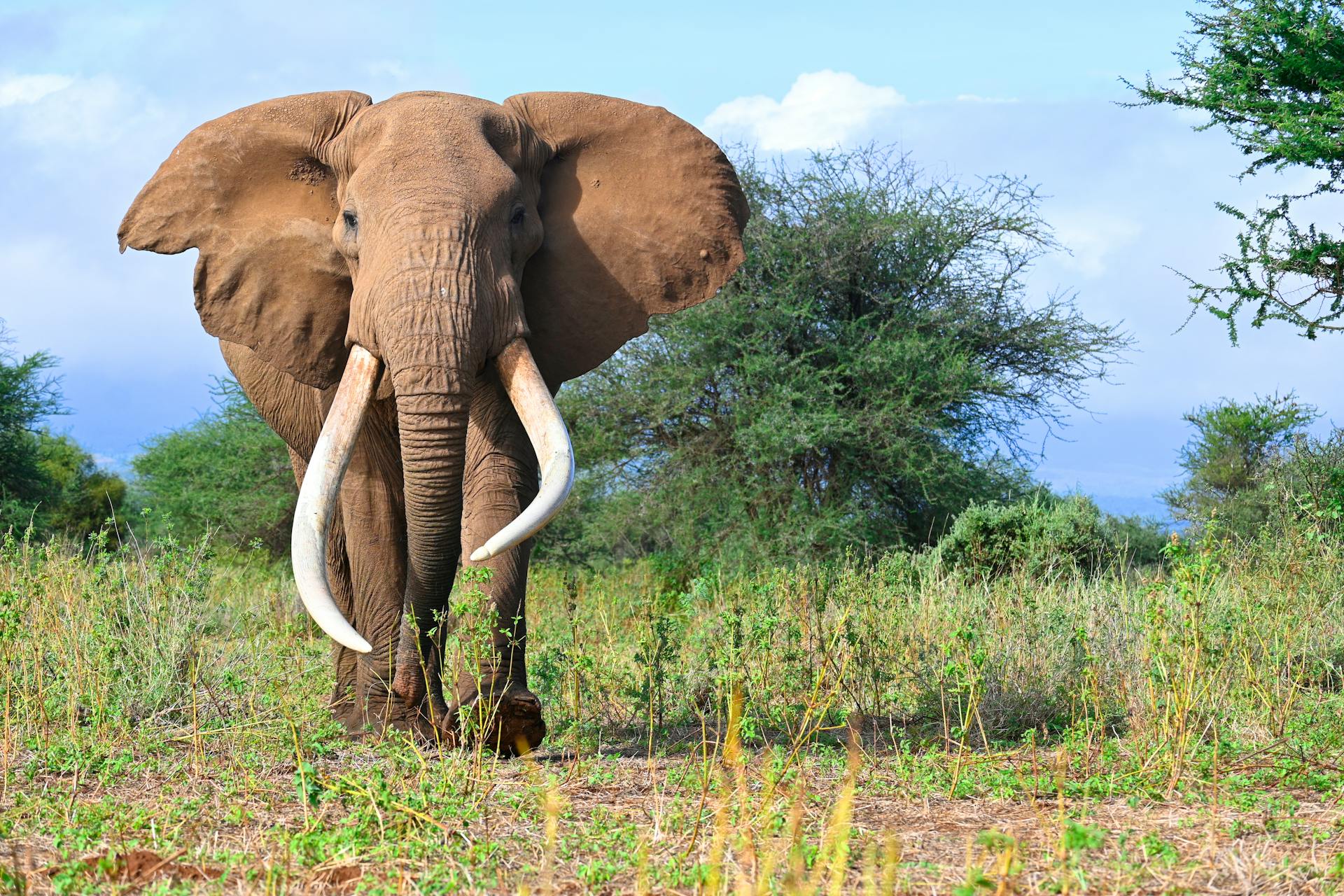
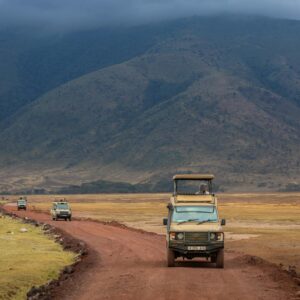
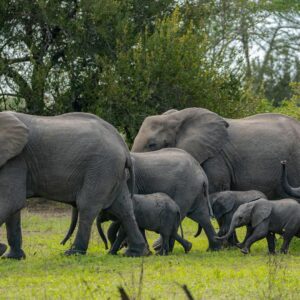
The 600-meter-deep caldera floor is a self-contained ecosystem. This 260-square-kilometer arena provides permanent water and grazing, supporting over 25,000 large mammals year-round. It is the most reliable place in East Africa to see the endangered black rhino and massive “tusker” elephants against the backdrop of the steep crater walls.
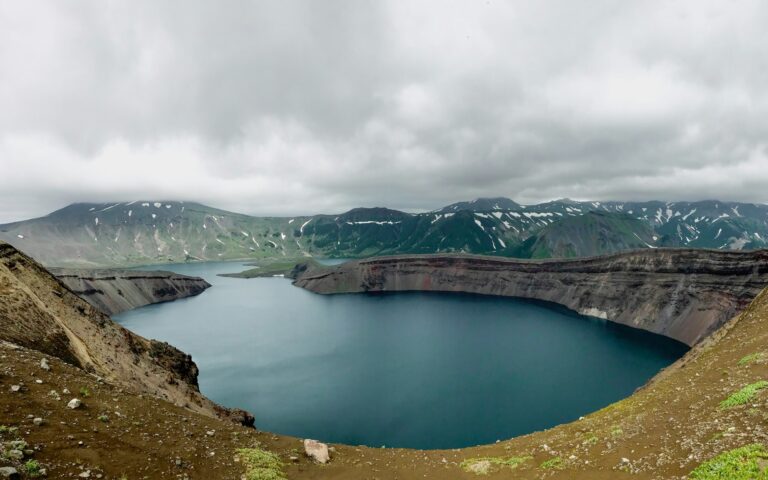
The Crater Rim – The Mist-Shrouded Highlands

Rising to an altitude of 2,300 meters, the rim is a lush, high-altitude forest environment. It offers the iconic panoramic views of the caldera below. Because of the elevation, it is significantly cooler and prone to morning mists, providing a stark contrast to the heat of the plains and housing specialized birdlife and leopards within the dense canopy.
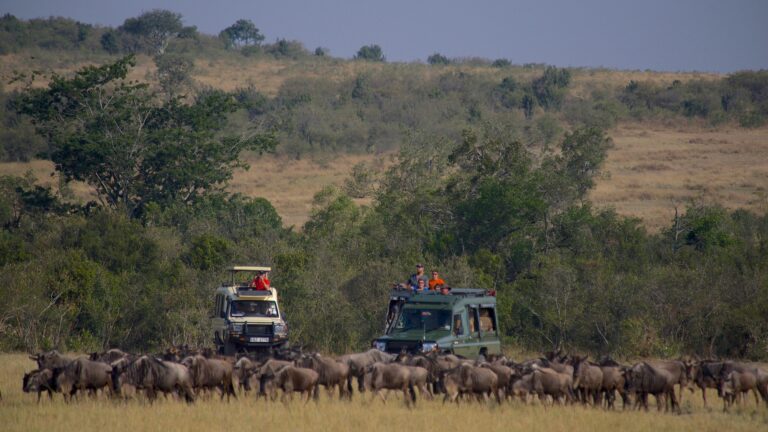
The Ndutu Plains – The Migration Hub

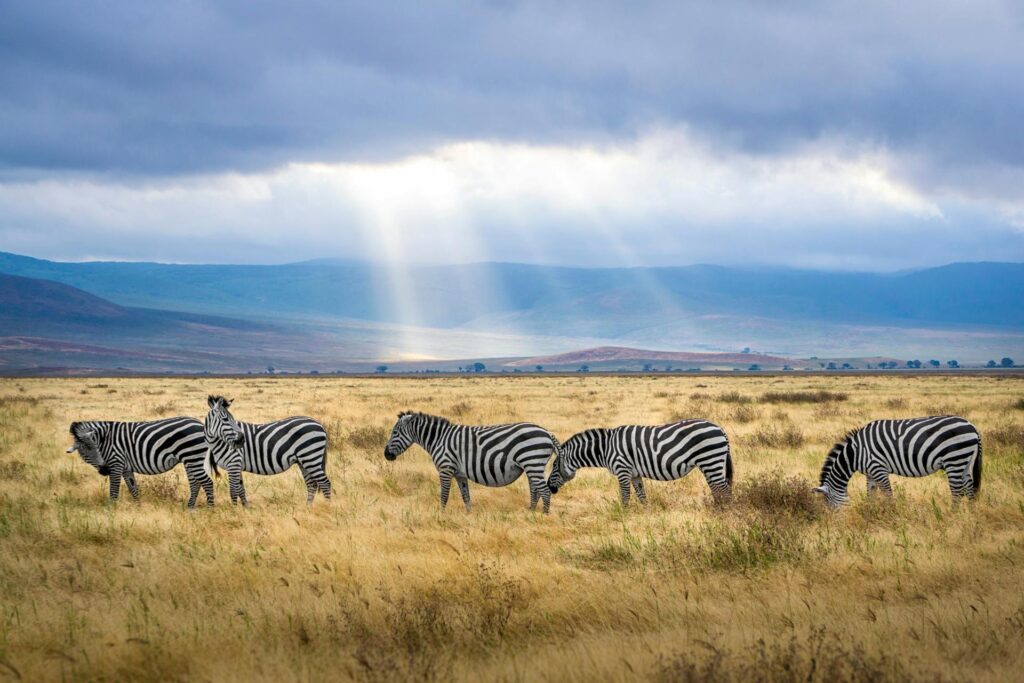
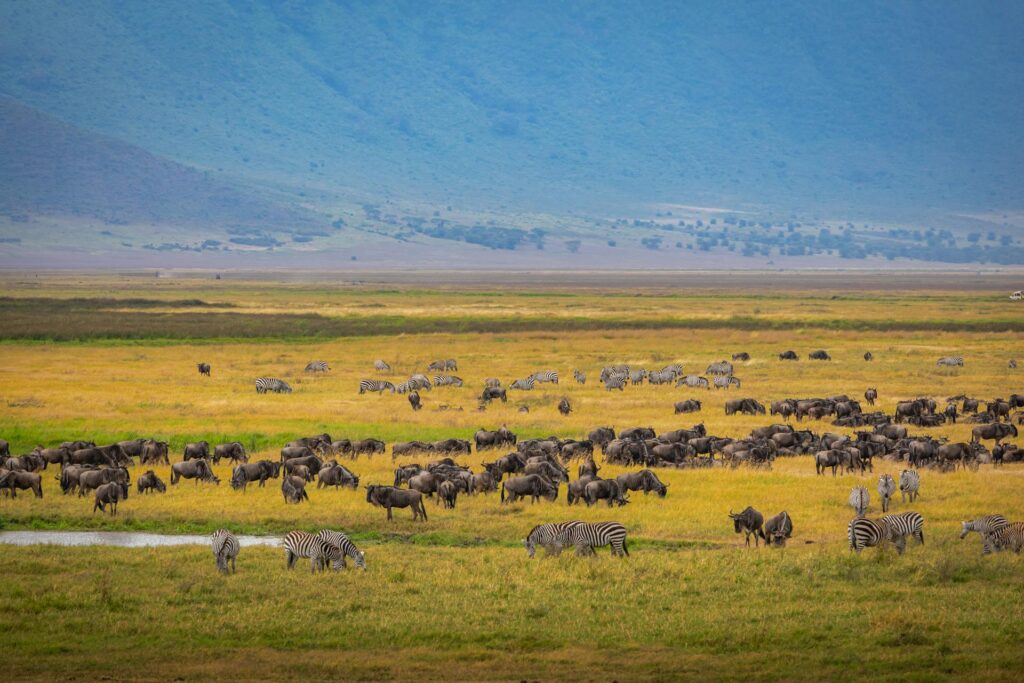
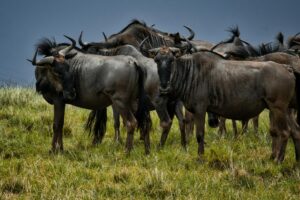
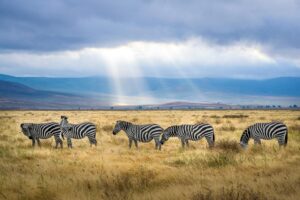
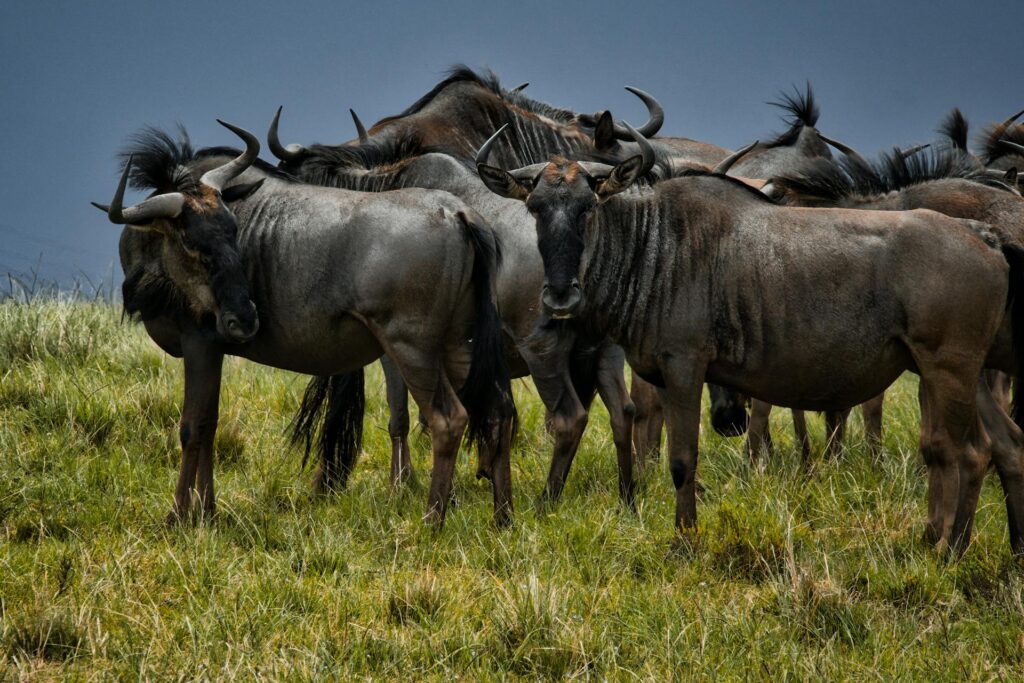
Located on the western edge of the NCA, these short-grass plains bridge the gap between Ngorongoro and the Serengeti. From December to March, this region becomes the focal point of the Great Migration. The nutrient-rich volcanic soil provides the ideal grass for calving, attracting hundreds of thousands of wildebeest and their associated predators.
The Empakaai & Olmoti Craters – The Wilderness Trek

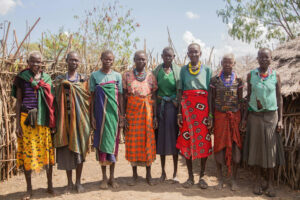
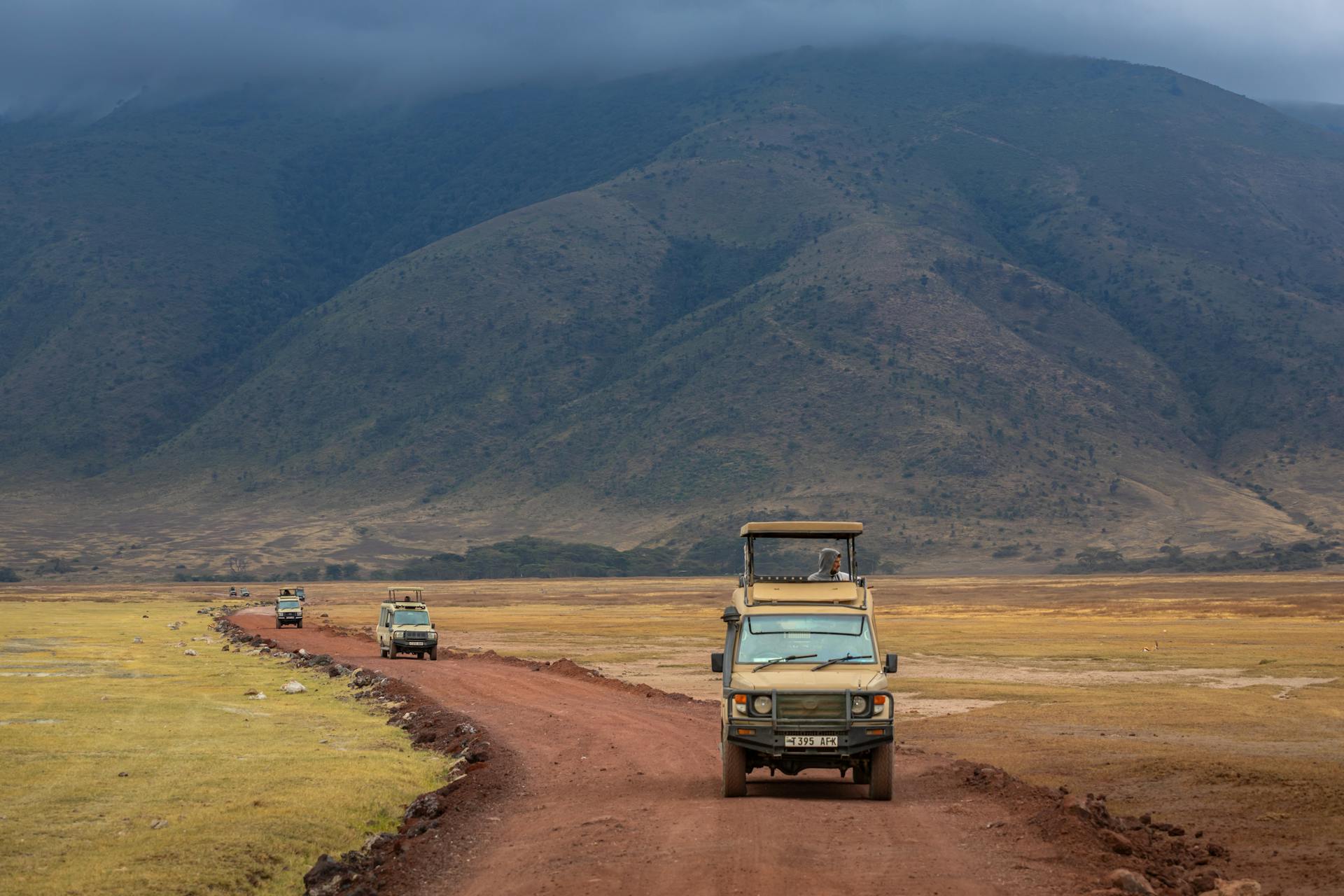
For those seeking solitude away from safari vehicles, these smaller craters offer remote hiking opportunities. Empakaai is famous for its deep soda lake that often turns pink with thousands of flamingos, while Olmoti is known for its beautiful waterfalls and the chance to walk alongside Maasai herders in an undisturbed highland setting.

The Gol Mountains & Nasera Rock – The Ancient Frontier

This rugged, northern region is characterized by ancient metamorphic rock formations and stark, beautiful isolation. It serves as a critical corridor for wildlife and a sacred site for the Maasai. It is one of the best places for “walking safaris” and seeing the starker, more mountainous side of the conservation area.
Seasonal Rainfall & Migration Overview

The peak migration period typically offers the best balance of low rainfall and maximum wildlife density.

The “Green Season” (November–May) is preferred by birdwatchers and those seeking a quieter safari experience with vibrant photography backdrops.

January

Short dry season; great visibility.

February

Calving season; high predator activity.

March

Long rains begin; lush landscapes.

April

Peak rainfall; heavy afternoon storms.

May

Rains continue; tall grass.

June

Drying out; start of the cool season.

July

Driest Month / Migration Arrival

August

Peak Migration / River Crossings.

September

Peak Migration / Excellent Viewing

October

Short rains begin; herds move south.

November

Afternoon showers; migratory birds arrive

December

Festive season; short rains tapering.

Stages of the Annual Mara-Serengeti Wildebeest Migration

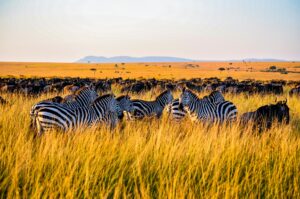
The Great Wildebeest Migration is one of the most extraordinary wildlife events on Earth, involving over a million wildebeest, accompanied by zebras and gazelles, moving in a continuous cycle across the Serengeti–Mara ecosystem. Driven by rainfall and the search for fresh grazing, this journey unfolds in distinct stages throughout the year, each offering very different landscapes, wildlife behavior, and safari experiences. Understanding these stages is essential for planning the right trip at the right time—whether you dream of dramatic river crossings, vast calving grounds, or predator-rich plains teeming with life.

Southern Serengeti Calving Season (January – March)

Calving Happens in thesouthern Serengeti and Ndutu region

The migration cycle begins in the short-grass plains of the southern Serengeti and Ndutu region, where nutrient-rich soils provide ideal conditions for calving. During this period, hundreds of thousands of wildebeest give birth within a few short weeks, creating one of the highest concentrations of newborn wildlife anywhere in Africa. This abundance of vulnerable calves attracts a dramatic surge in predators, making it a prime time for witnessing intense wildlife interactions. For visitors, this stage offers exceptional game viewing, open landscapes, and a sense of raw natural productivity that underpins the entire migration.

Central Serengeti Transition (April – May)

Paced migration in the Central Serengeti - April - May

As the southern plains begin to dry, the herds slowly move northwest through the central Serengeti, following fresh grazing created by seasonal rains. This transitional stage is less about spectacle and more about scale, as vast columns of animals stretch across the savannah, accompanied by increasing predator activity. The landscape becomes more varied, with rolling hills, river systems, and woodlands supporting resident wildlife year-round. For travelers, this period delivers fewer crowds, dramatic skies, and a deeper appreciation of the migration as a continuous journey rather than a single event.

Western Corridor and Grumeti Crossings (June – July)

Crocodiles in the Mara River get ready for the coming feast

By early dry season, the herds push toward the Western Corridor of the Serengeti, where they face their first major obstacle—the crocodile-infested Grumeti River. While crossings here are less predictable and often less dramatic than those farther north, they mark a critical turning point in the migration. The region’s riverine forests and permanent water sources concentrate wildlife, offering excellent predator sightings and classic safari scenery. This stage rewards patient observers with powerful moments of tension, endurance, and survival as the herds prepare for even greater challenges ahead.

Northern Serengeti & Mara River Crossings (August – October)

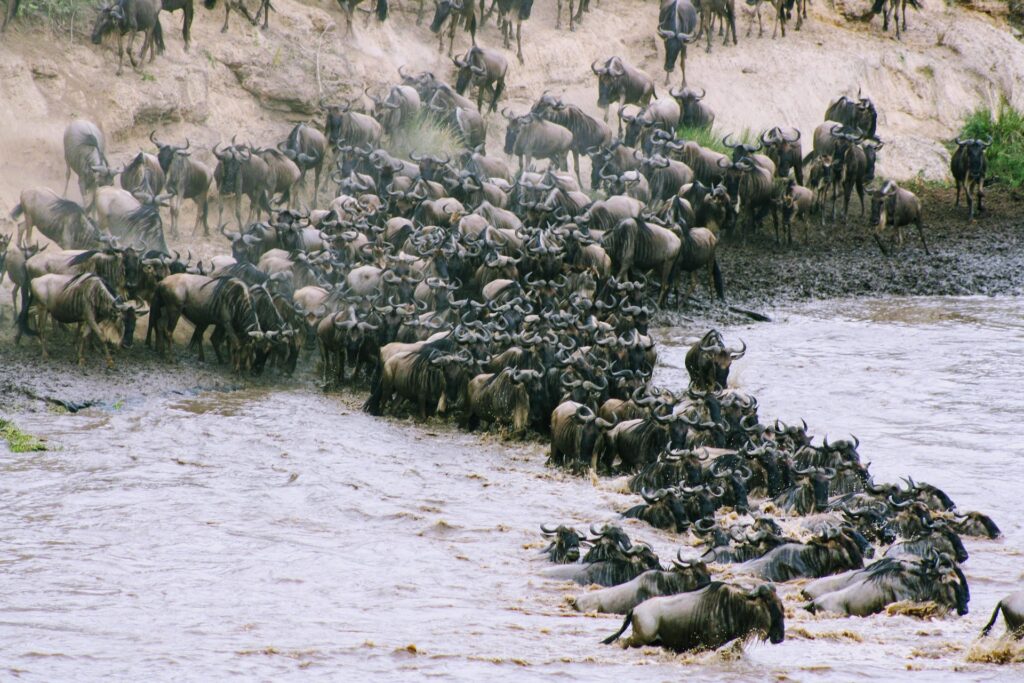
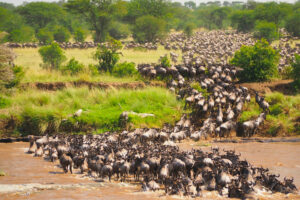
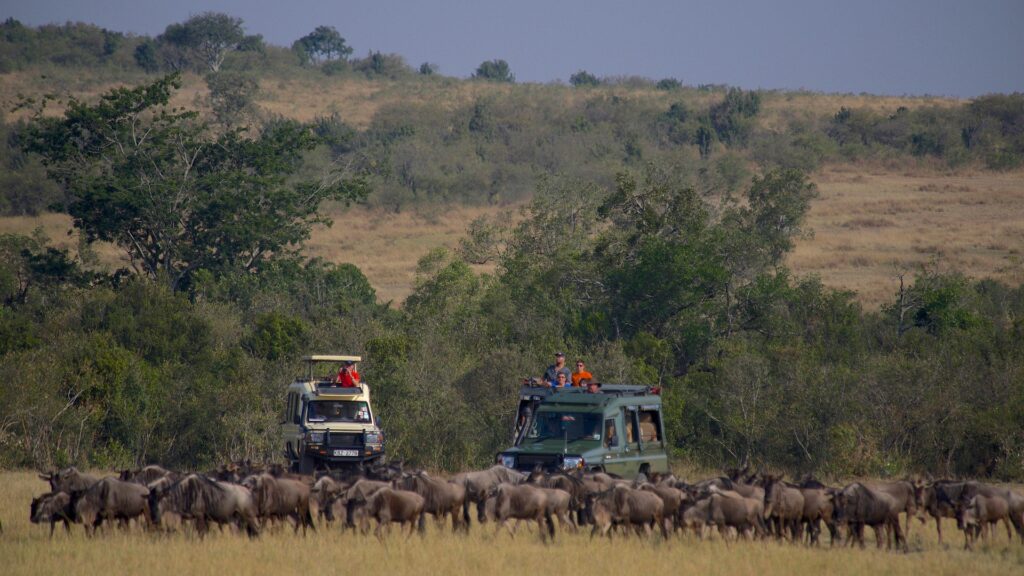
Wildebeest build up at the Mara River

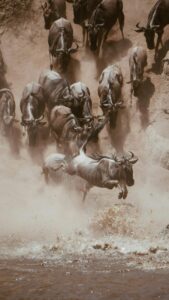
The most iconic stage of the Great Migration unfolds along the northern Serengeti and into Kenya’s Maasai Mara, where the herds must cross the formidable Mara River. These crossings are unpredictable, often chaotic, and emotionally charged, as animals leap into fast-flowing waters filled with strong currents and lurking crocodiles. The reward for their peril is lush grazing on the Mara’s open plains. For visitors, this is the peak spectacle of the migration—raw, dramatic, and unforgettable—representing the relentless drive of life in the wild.

Return South Through the Eastern Serengeti (November – December)

Around November and December the migrating herd returns South using the Eastern route

As short rains return to the southern Serengeti, the herds begin their journey back east and south, closing the annual loop of the migration. This stage is characterized by movement across wide, open landscapes as animals regain strength after months of travel and danger. Predators remain active, and the plains slowly green once again in preparation for the next calving season. For travelers, this period offers a quieter, more reflective safari experience—one that highlights the migration’s cyclical nature and the enduring rhythms of the African wilderness.

Featured Destinations

Selected Complementary Destinations

Masai Mara National Reserve

Top Reasons to Visit
Big 5 Wildlife Year-Round Safari

Mount Kilimanjaro National Park

Top Reasons to Visit
Africa's Highest Peak Alpine Climate Bands

Ruaha National Park

Top Reasons to Visit
Bird Watchers' Paradise Big 5 Wildlife

Selous Game Reserve

Top Reasons to Visit
Big 5 Wildlife Family Friendly

Serengeti National Park

Top Reasons to Visit
Big 5 Wildlife Year-Round Safari Family Friendly

Amboseli National Park

Top Reasons to Visit
Big 5 Wildlife Year-Round Safari

Plan Your Journey to Ngorongoro Conservation Area

Ready to explore? Our travel specialists are here to help craft your dream itinerary.

Chat on WhatsApp
Created by icon tripfrom the Noun Project Created by Amethyst Studiofrom the Noun Project Created by Amethyst Studiofrom the Noun Project Created by Amethyst Studiofrom the Noun Project