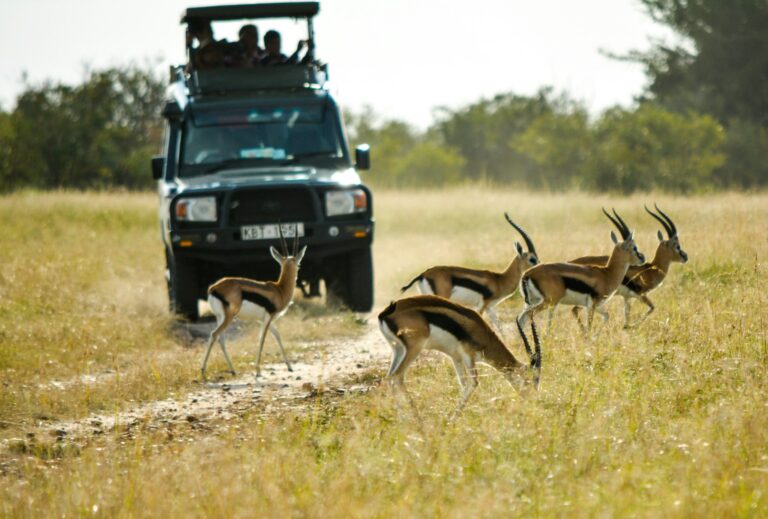
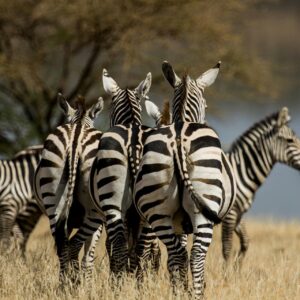
Rolling Plains at the Maasai Mara National Park

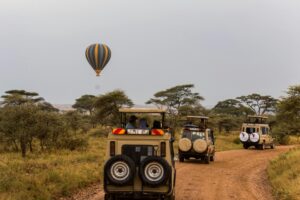
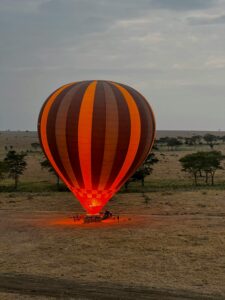
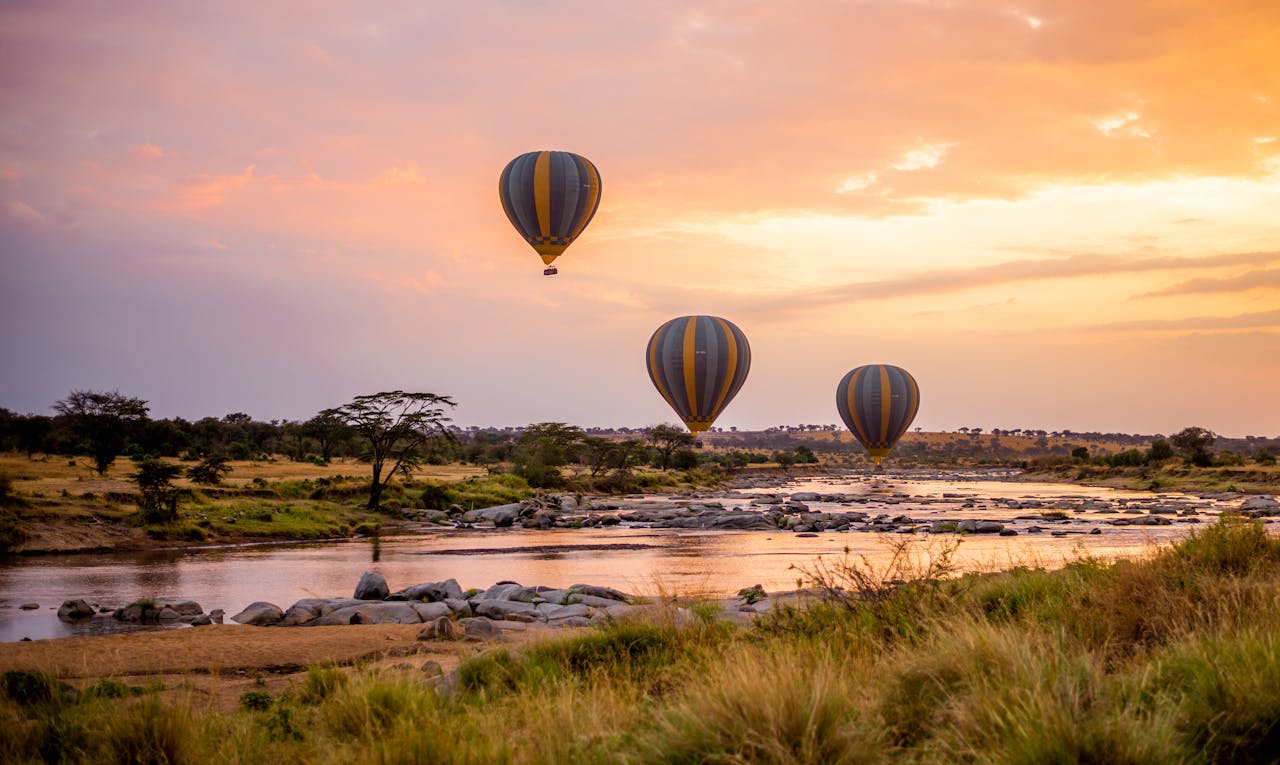
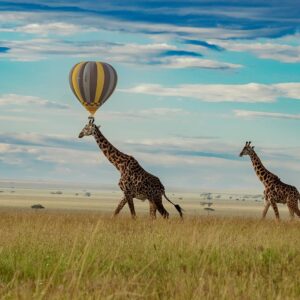
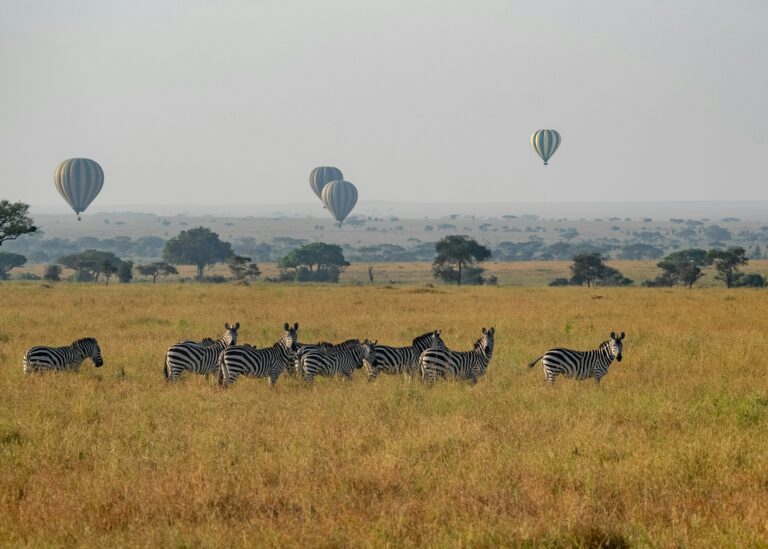
Early Morning Hot Air Balloon Safari over the Mara Savannah Mara

Masai Mara National Reserve

  • Best Time to Visit: July to October - Great Migration Season
  • Entry Fees: Non-Resident: $100 / Children $50/day
  • Country: Narok County

Six Reasons why you should visit the Masai Mara

The Masai Mara is one of Africa’s most iconic safari landscapes, known for its vast open plains, dense wildlife populations, and enduring cultural heritage. More than a single attraction, it offers a layered safari experience where dramatic natural events, everyday wildlife encounters, and deep-rooted Maasai traditions coexist. Whether it’s your first safari or a return to Africa’s wild heart, the Masai Mara delivers clarity, scale, and authenticity in a way few destinations can.

#1. The Great Wildebeest Migration
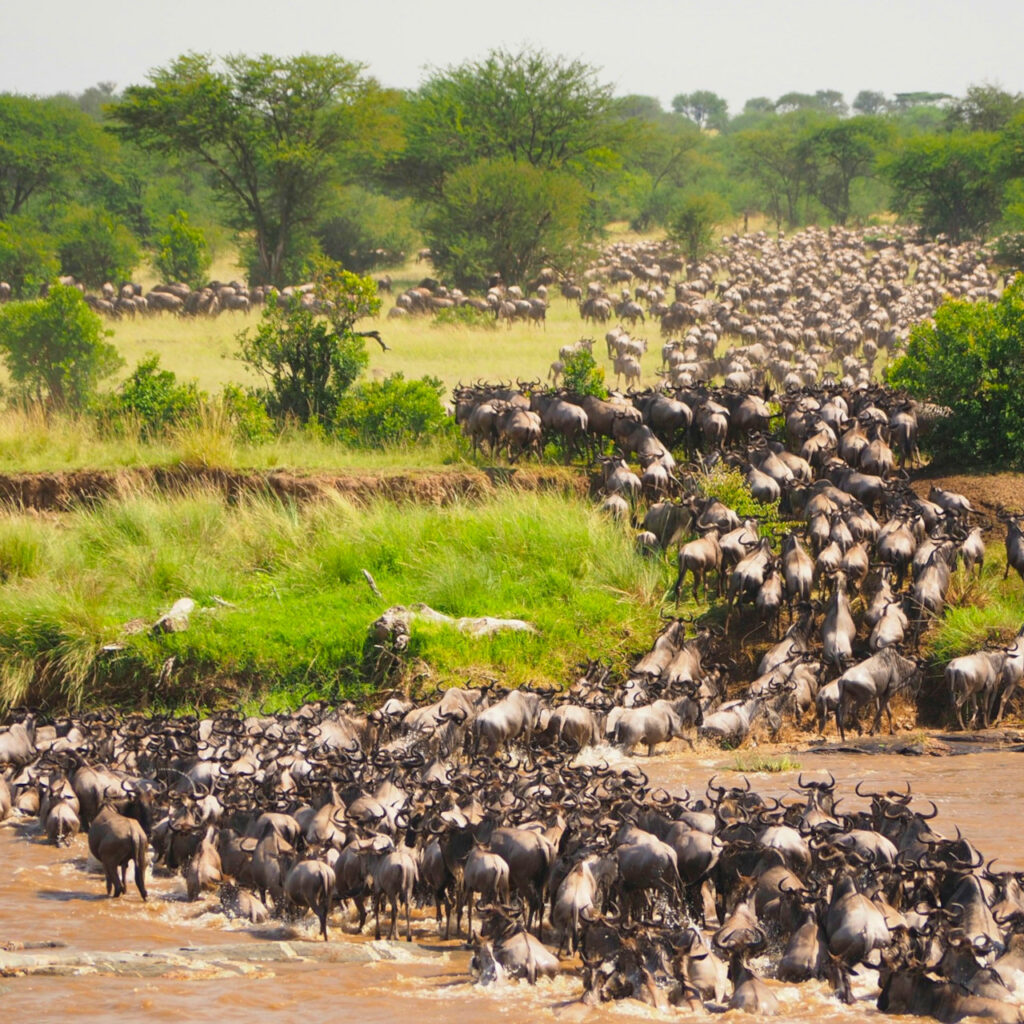
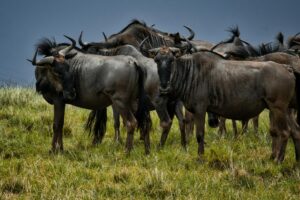
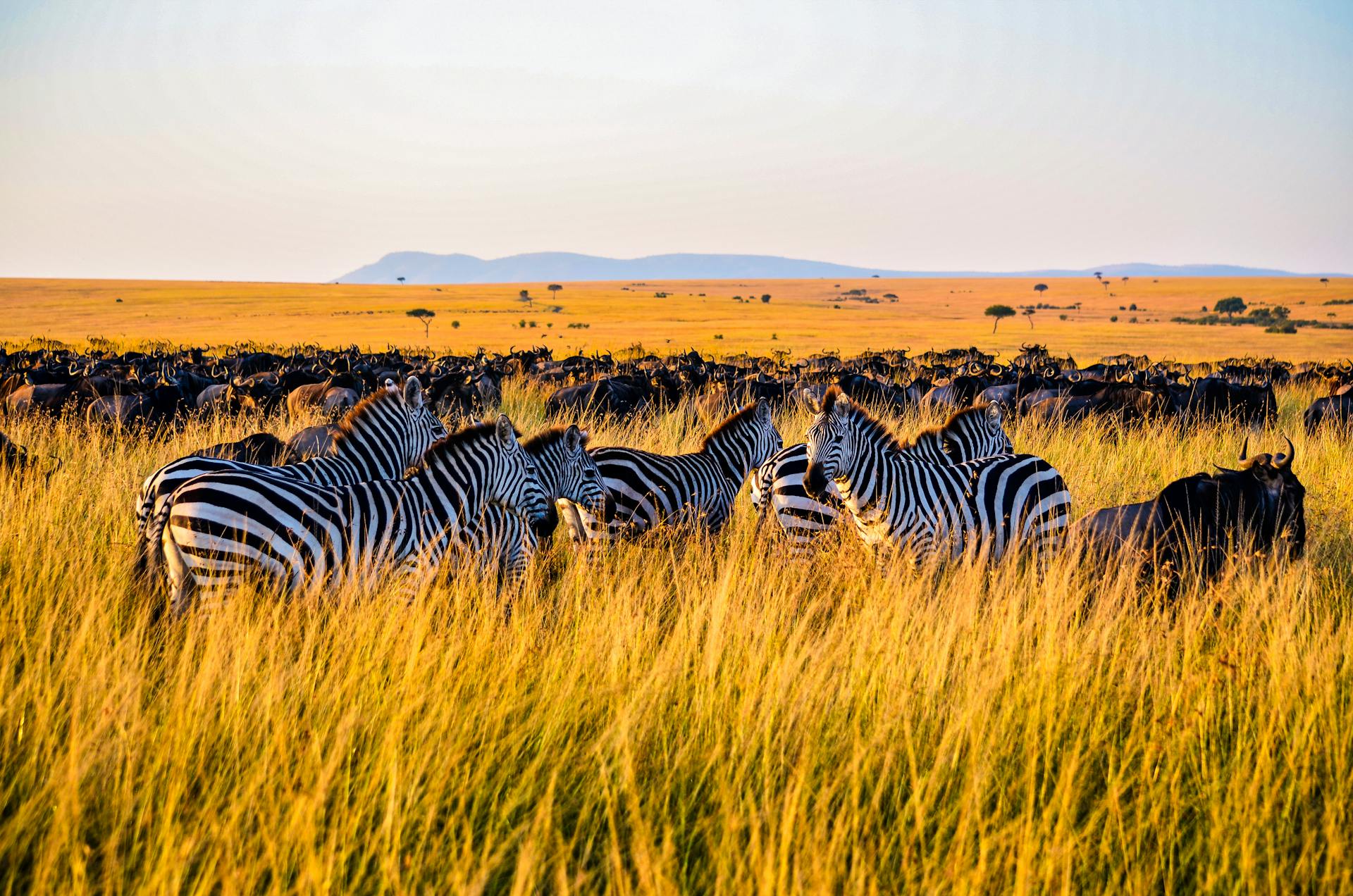
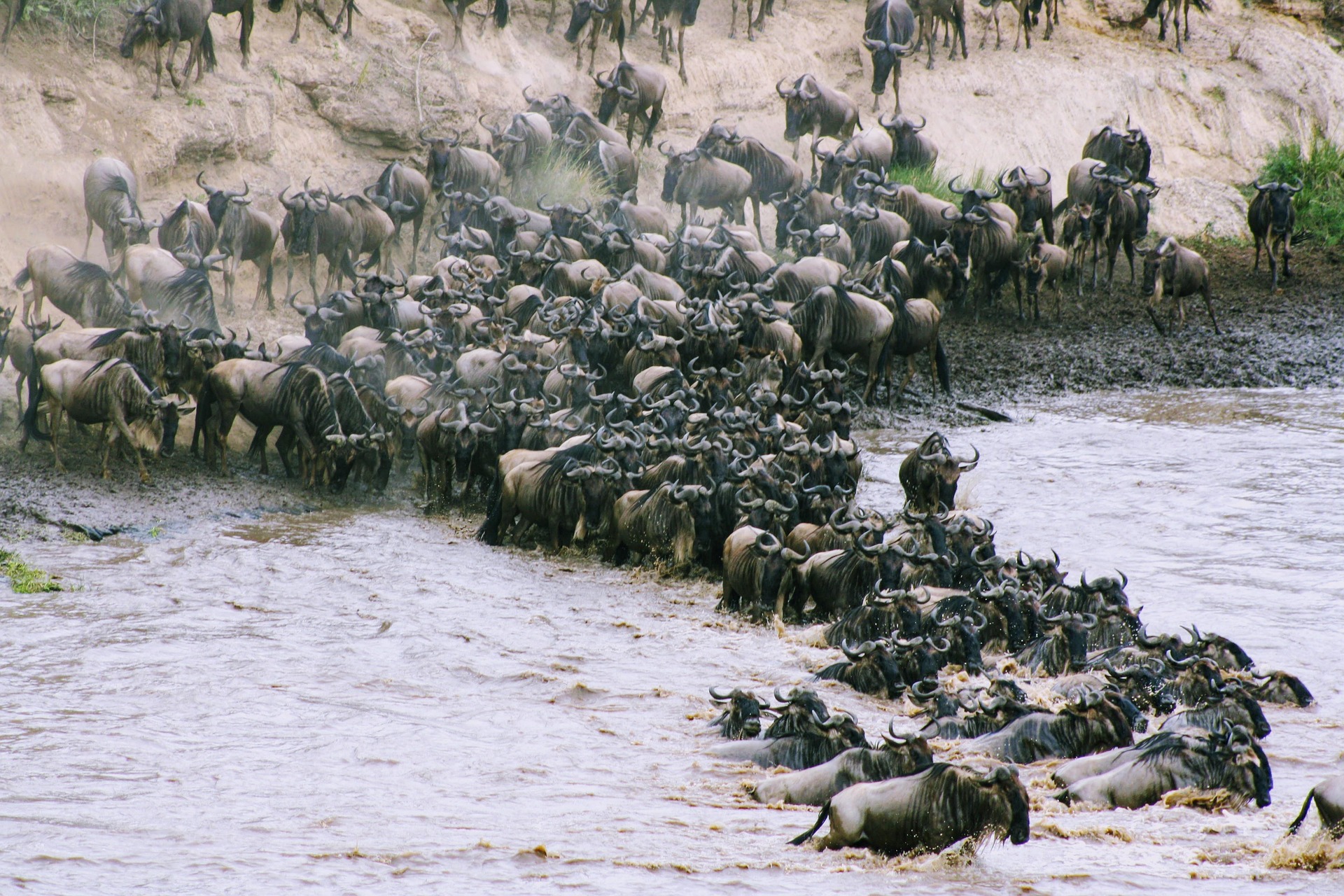
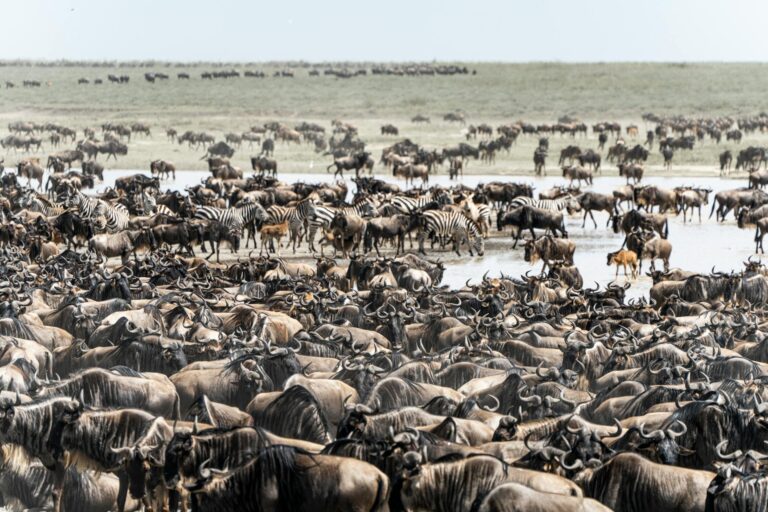
Masai Mara Wildebeest Migration

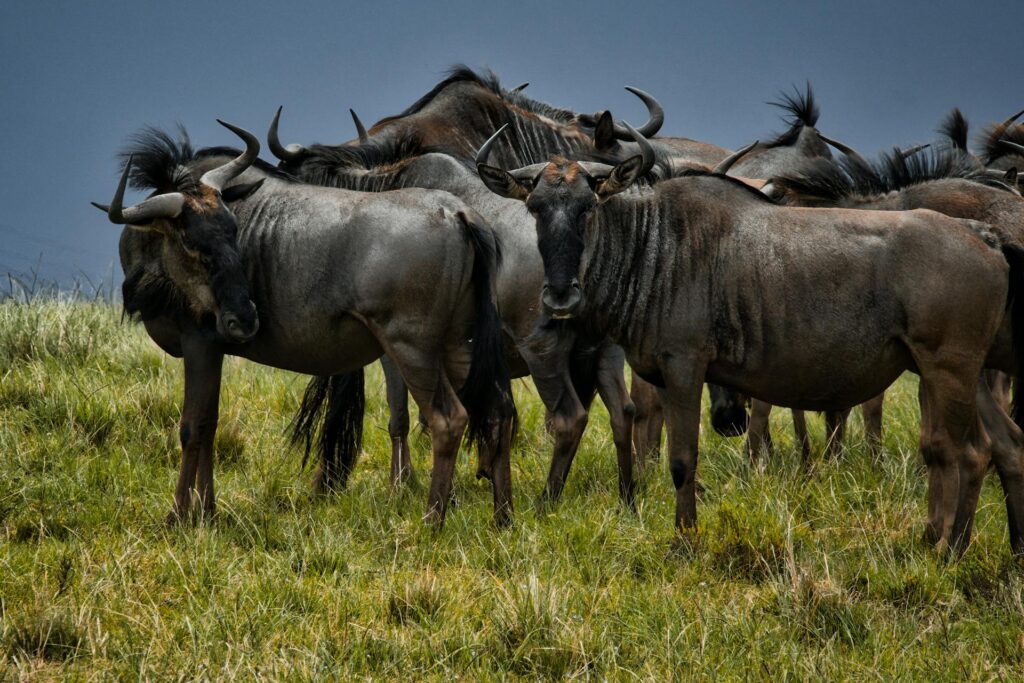
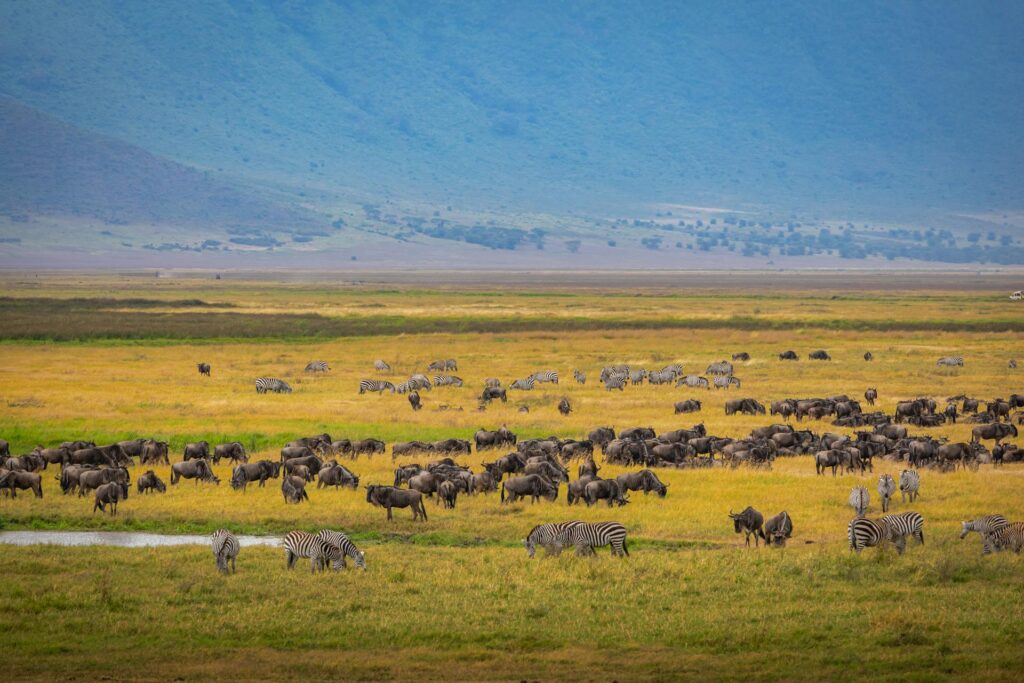
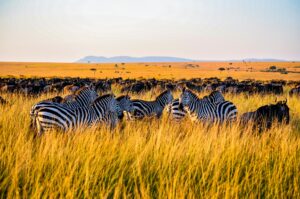
Each year, the Masai Mara becomes the stage for one of nature’s most powerful spectacles as over a million wildebeest, zebra, and gazelle move north from the Serengeti in search of fresh grazing. River crossings along the Mara River bring moments of raw intensity, where survival plays out in real time. Even outside peak crossing periods, the sheer density of migratory herds shapes the landscape and energizes predator activity across the reserve.

#2. Exceptional Big Cat Encounters
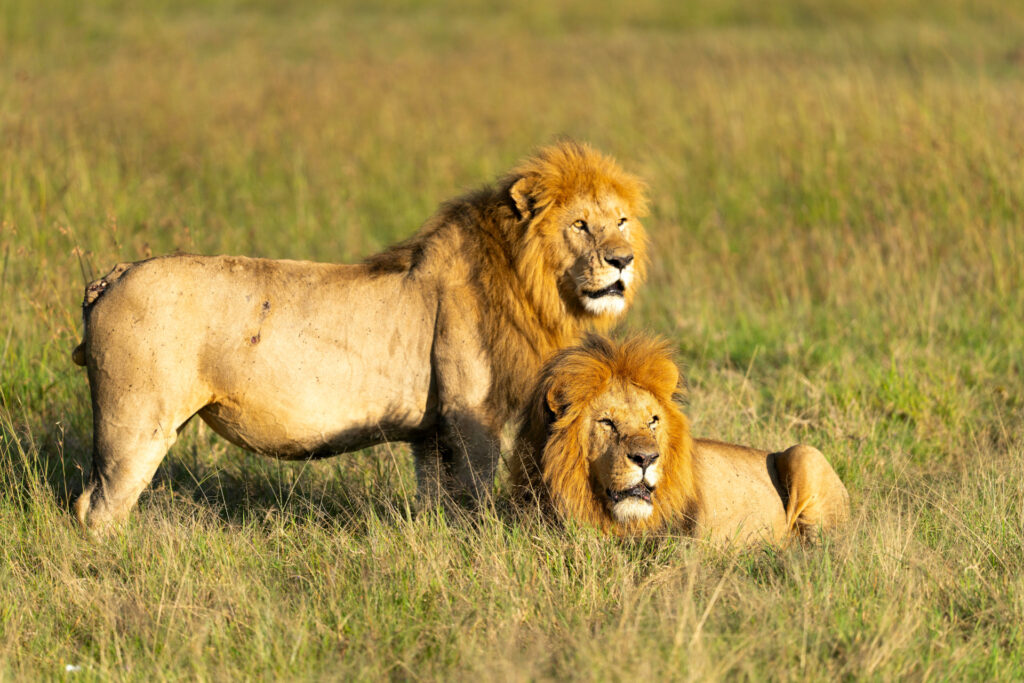
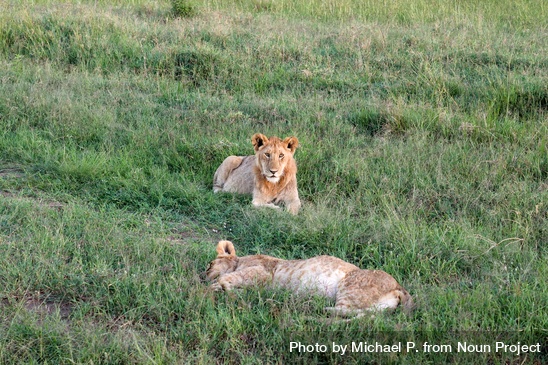
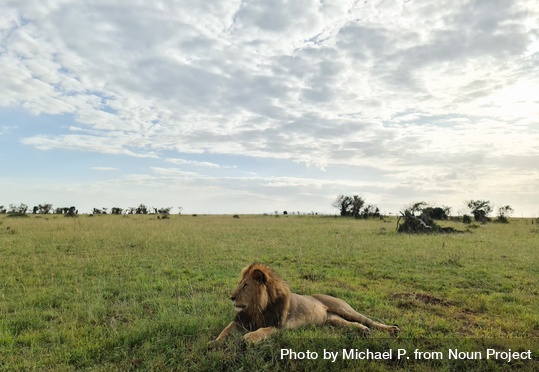
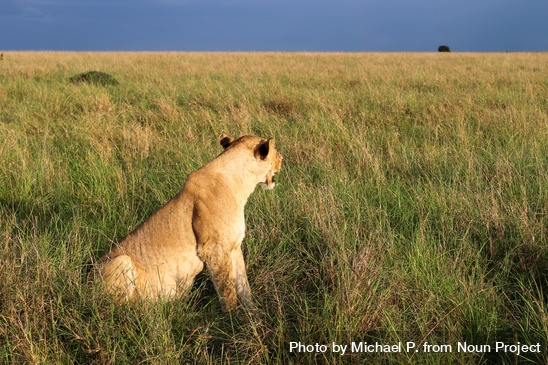
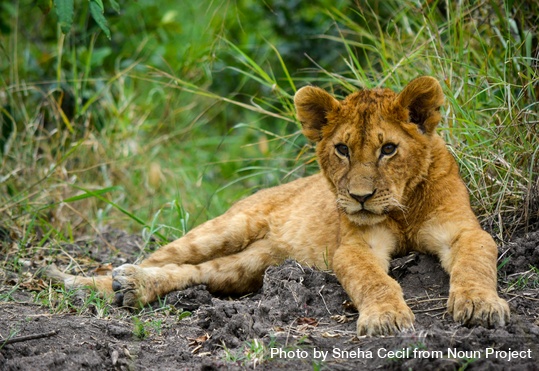
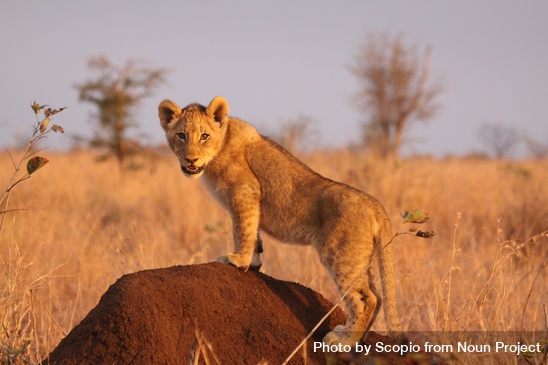
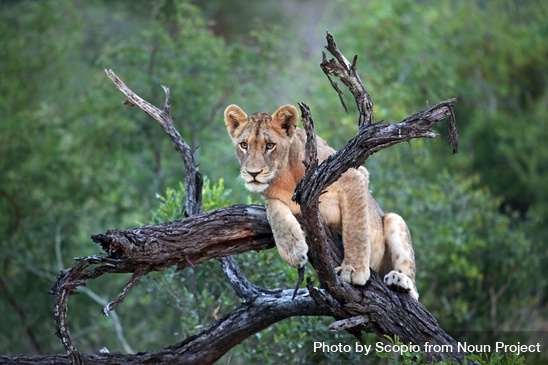
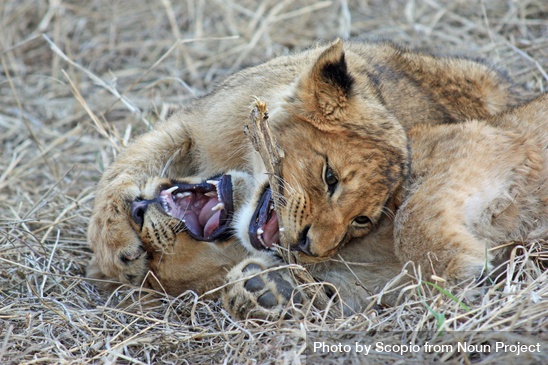
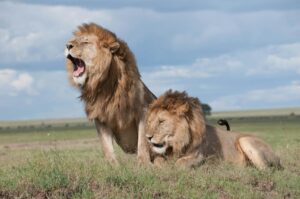
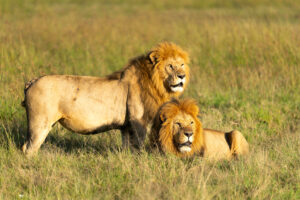
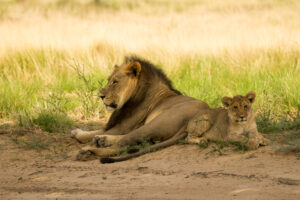
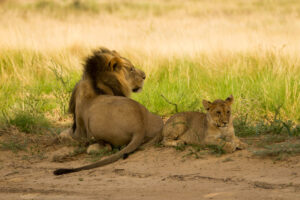
Masai Mara lions live in known territories all over the reserve

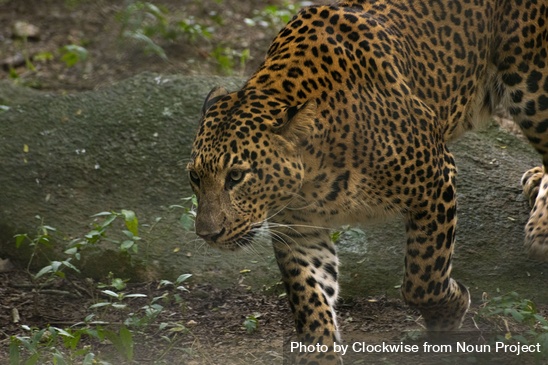
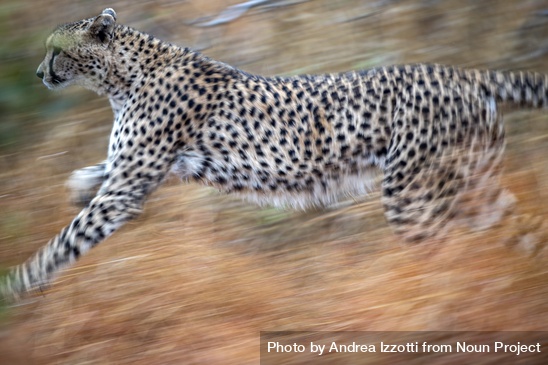
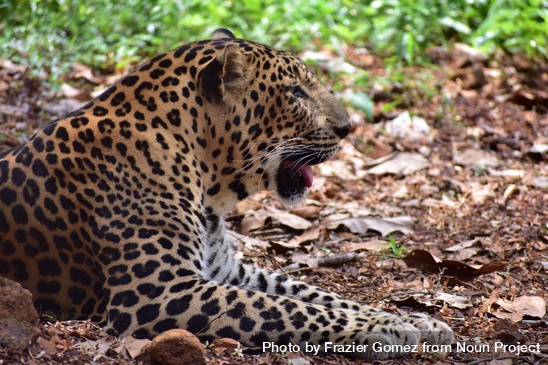
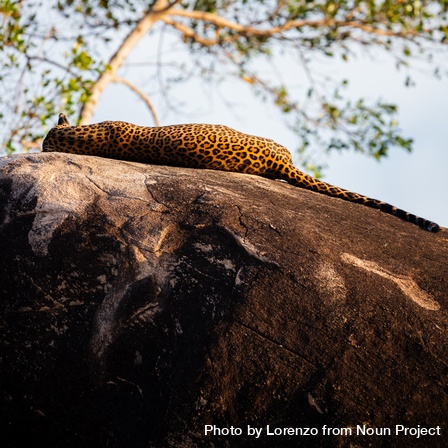
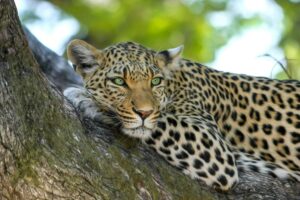
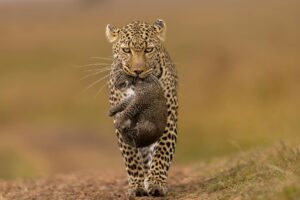
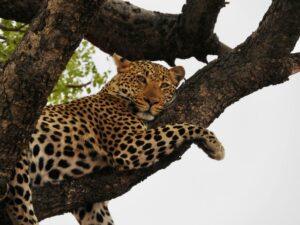
The Masai Mara is renowned for its high concentration of lions, leopards, and cheetahs. Open grasslands and rolling hills make wildlife viewing clear and sustained, allowing long, unhurried sightings. Lions are often seen hunting cooperatively, cheetahs use the plains for high-speed pursuits, and leopards thrive along riverine forests—making the Mara one of the most reliable destinations for observing predator behavior.

#3. Vast Open Landscapes and Classic Safari Scenery
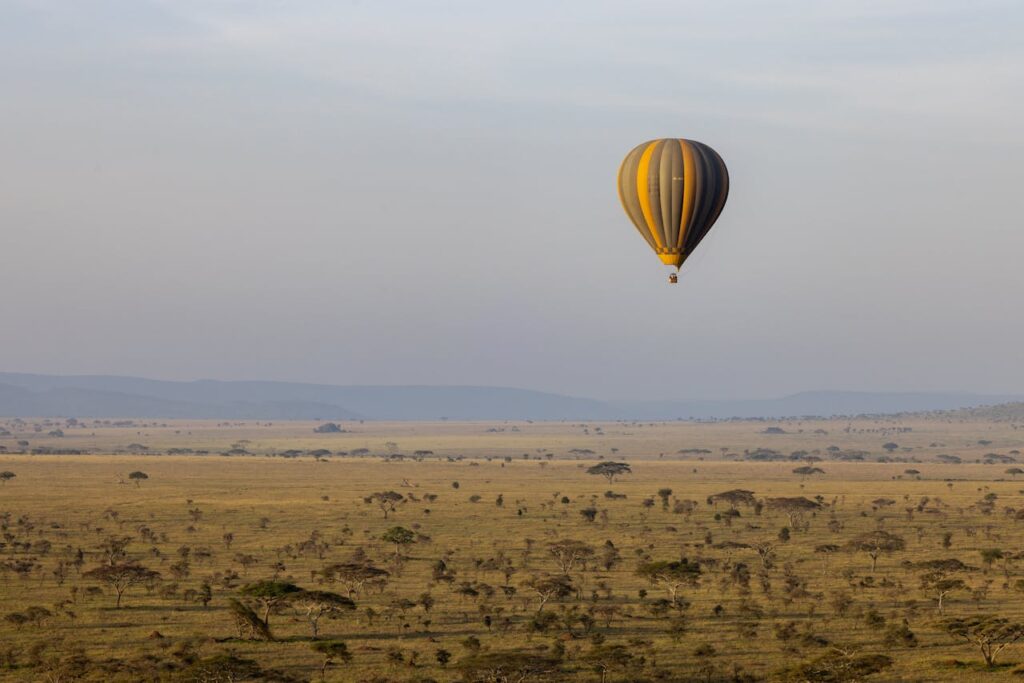
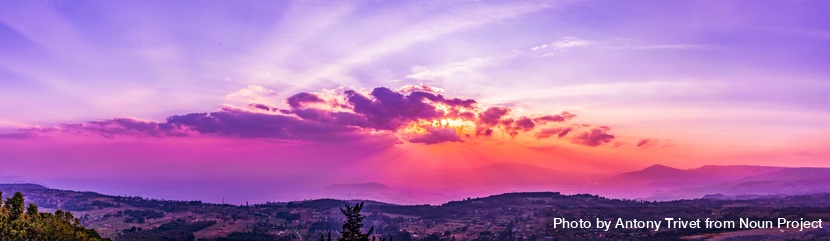
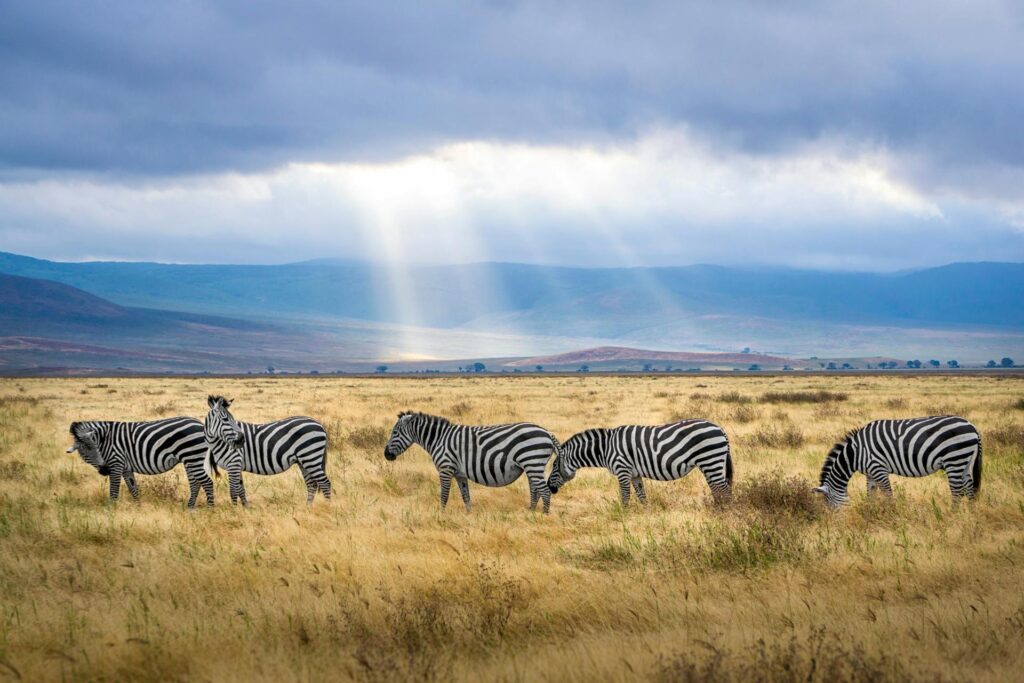
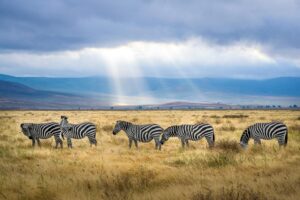
Endless savannahs, acacia-dotted plains, and dramatic skies define the visual character of the Masai Mara. The openness of the terrain creates a sense of scale that is both humbling and calming, while also supporting excellent game visibility. Sunrises and sunsets here are not background moments but integral parts of the safari rhythm, shaping each day’s experience.

#4. Rich Year-Round Wildlife Density
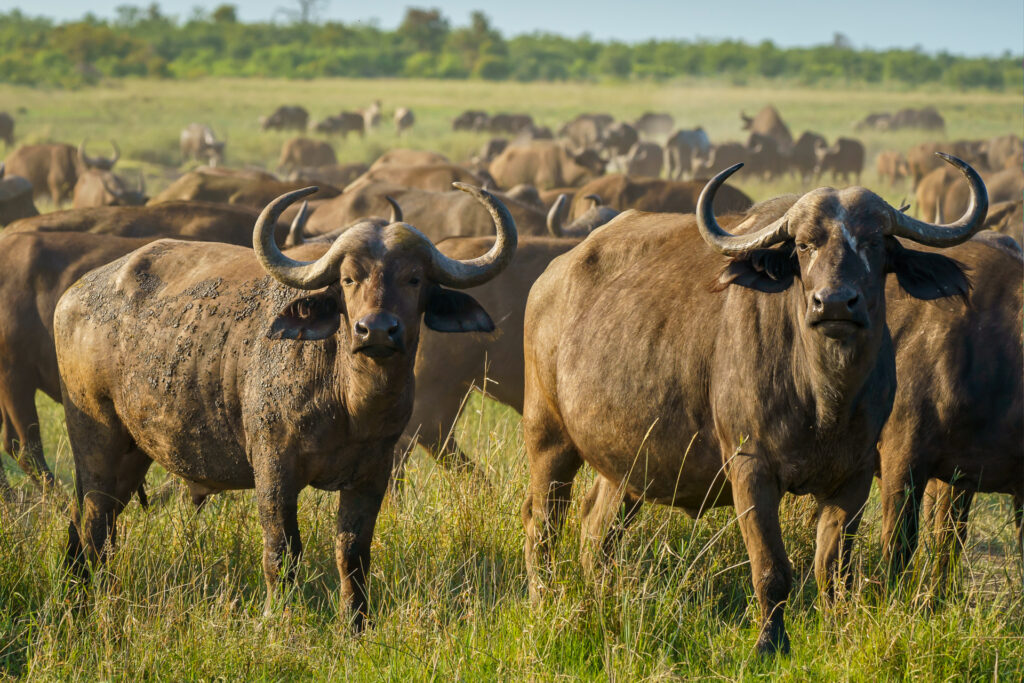
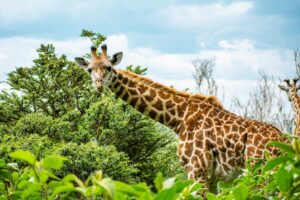
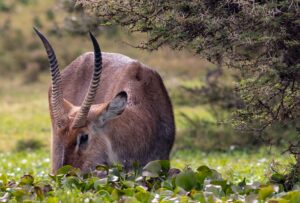
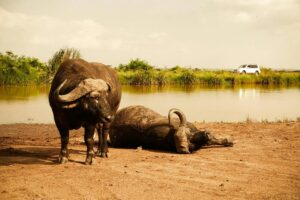
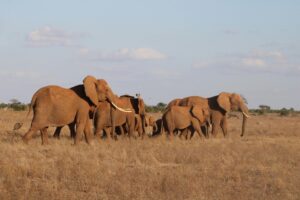
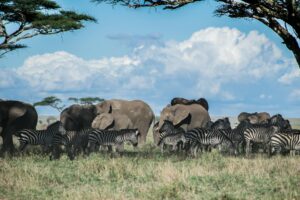
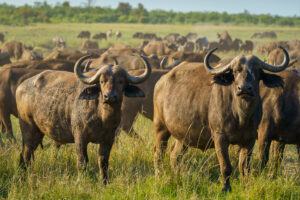
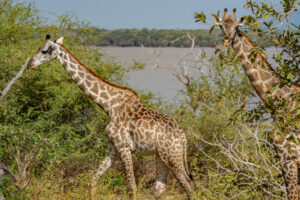
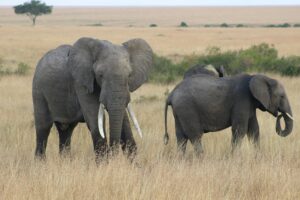
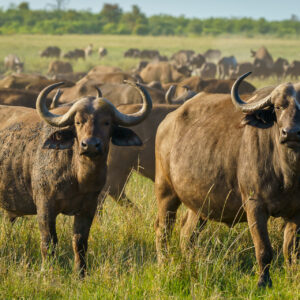
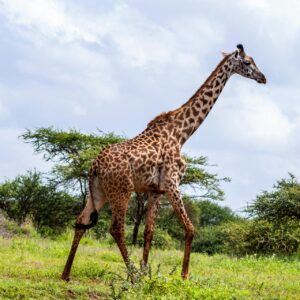
While the migration is seasonal, wildlife viewing in the Masai Mara is consistently rewarding throughout the year. Resident populations of elephant, buffalo, giraffe, hippo, and antelope ensure daily encounters, supported by a robust predator ecosystem. This makes the Mara suitable for flexible travel dates without sacrificing the quality of the safari experience.

#5. Deeply Rooted Maasai Cultural Presence
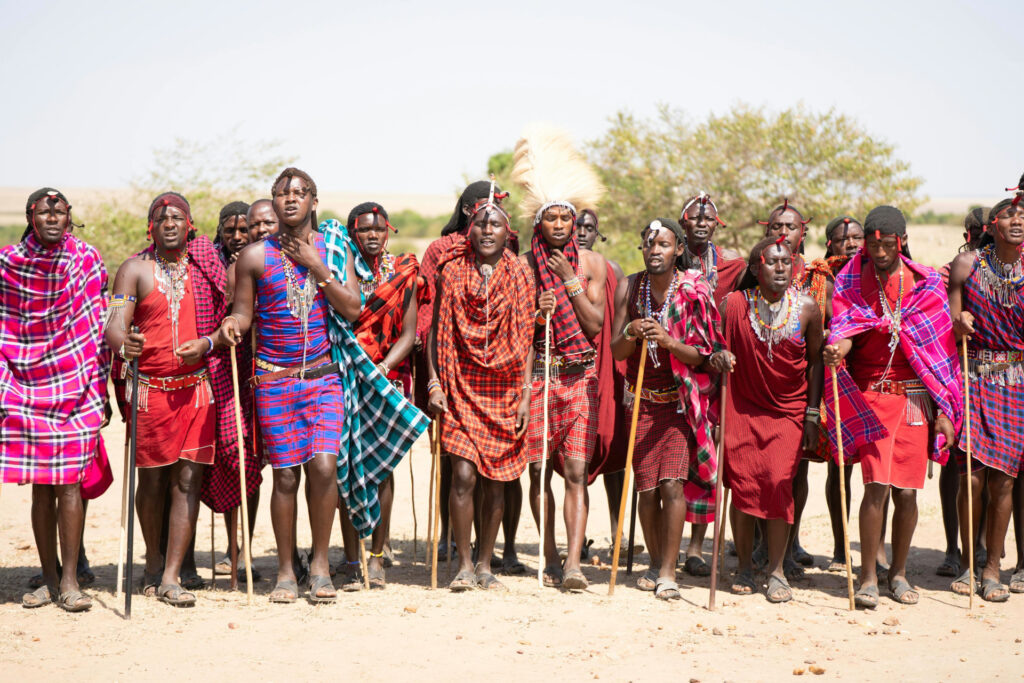
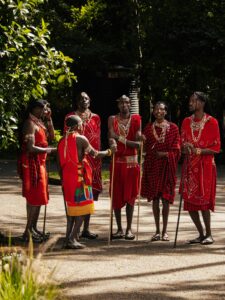
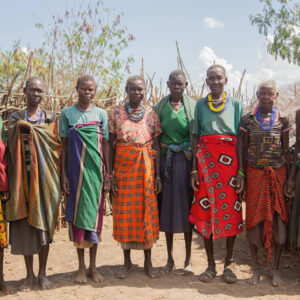
Maasao Morans participate in a cultural dance at the Masai Mara

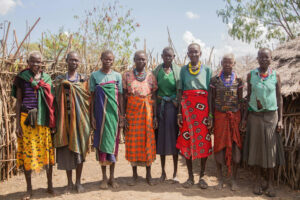
The Masai Mara is inseparable from the Maasai people, whose pastoral traditions have shaped the region for generations. Community conservancies surrounding the reserve offer opportunities to understand how culture, conservation, and wildlife coexist. Cultural visits add context and human perspective, grounding the safari experience in living heritage rather than spectacle alone.

#6. Diverse Safari Experiences Beyond Game Drives
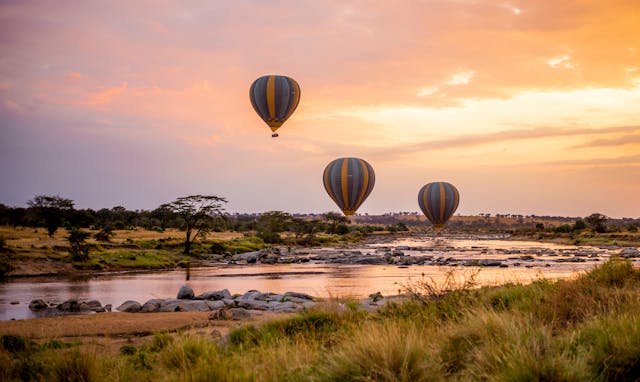
In addition to classic game drives, the Masai Mara offers varied ways to engage with the landscape. Guided walks in conservancies, hot air balloon safaris at dawn, and photographic-focused outings allow travelers to experience the ecosystem from different angles. These layered experiences deepen understanding and slow the pace, creating a more immersive connection to place.
Top Conservancies and Regions to Explore in the Maasai Mara

#1. Mara Triangle

Managed by the Mara Conservancy, this pristine section of the park offers some of the most reliable wildlife sightings and fewer vehicles.

#2. Talek & Sekenani Area

Close to popular lodges and gates, this region provides excellent access to both wildlife action and accommodation options.

#3. Mara North Conservancy

A private conservancy offering exclusive safaris, guided walks, and intimate camp experiences away from the crowds.

#4. Olare Motorogi Conservancy

Known for luxury camps and low vehicle density, this conservancy is ideal for travelers seeking tranquility and sustainability.

Masai Mara Month-by-Month: The Great Migration & Wildlife Seasons

The Masai Mara National Reserve is Kenya’s most celebrated wildlife destination—and its calendar is defined by the greatest show on earth: the annual wildebeest migration. The Mara’s rhythm follows the rains: the dry season (June to October) brings the migration herds, dramatic river crossings, and exceptional predator viewing. The green season (November to May) delivers lush landscapes, calving, and fewer crowds.

Use this calendar to match your travel dates with the experiences that matter most—whether that’s witnessing the Mara River crossings, photographing predators on the open plains, or experiencing the Mara in its emerald green glory.

All temperatures are daytime highs and nighttime lows. Rainfall is average monthly precipitation in millimeters.

Month
Rain
Min
Max
Season

Stages of the Annual Mara-Serengeti Wildebeest Migration

The Great Wildebeest Migration is one of the most extraordinary wildlife events on Earth, involving over a million wildebeest, accompanied by zebras and gazelles, moving in a continuous cycle across the Serengeti–Mara ecosystem. Driven by rainfall and the search for fresh grazing, this journey unfolds in distinct stages throughout the year, each offering very different landscapes, wildlife behavior, and safari experiences. Understanding these stages is essential for planning the right trip at the right time—whether you dream of dramatic river crossings, vast calving grounds, or predator-rich plains teeming with life.
Southern Serengeti Calving Season (January – March)

Calving Happens in thesouthern Serengeti and Ndutu region

The migration cycle begins in the short-grass plains of the southern Serengeti and Ndutu region, where nutrient-rich soils provide ideal conditions for calving. During this period, hundreds of thousands of wildebeest give birth within a few short weeks, creating one of the highest concentrations of newborn wildlife anywhere in Africa. This abundance of vulnerable calves attracts a dramatic surge in predators, making it a prime time for witnessing intense wildlife interactions. For visitors, this stage offers exceptional game viewing, open landscapes, and a sense of raw natural productivity that underpins the entire migration.
Central Serengeti Transition (April – May)

Paced migration in the Central Serengeti - April - May

As the southern plains begin to dry, the herds slowly move northwest through the central Serengeti, following fresh grazing created by seasonal rains. This transitional stage is less about spectacle and more about scale, as vast columns of animals stretch across the savannah, accompanied by increasing predator activity. The landscape becomes more varied, with rolling hills, river systems, and woodlands supporting resident wildlife year-round. For travelers, this period delivers fewer crowds, dramatic skies, and a deeper appreciation of the migration as a continuous journey rather than a single event.

Western Corridor and Grumeti Crossings (June – July)

Crocodiles in the Mara River get ready for the coming feast

By early dry season, the herds push toward the Western Corridor of the Serengeti, where they face their first major obstacle—the crocodile-infested Grumeti River. While crossings here are less predictable and often less dramatic than those farther north, they mark a critical turning point in the migration. The region’s riverine forests and permanent water sources concentrate wildlife, offering excellent predator sightings and classic safari scenery. This stage rewards patient observers with powerful moments of tension, endurance, and survival as the herds prepare for even greater challenges ahead.

Northern Serengeti & Mara River Crossings (August – October)

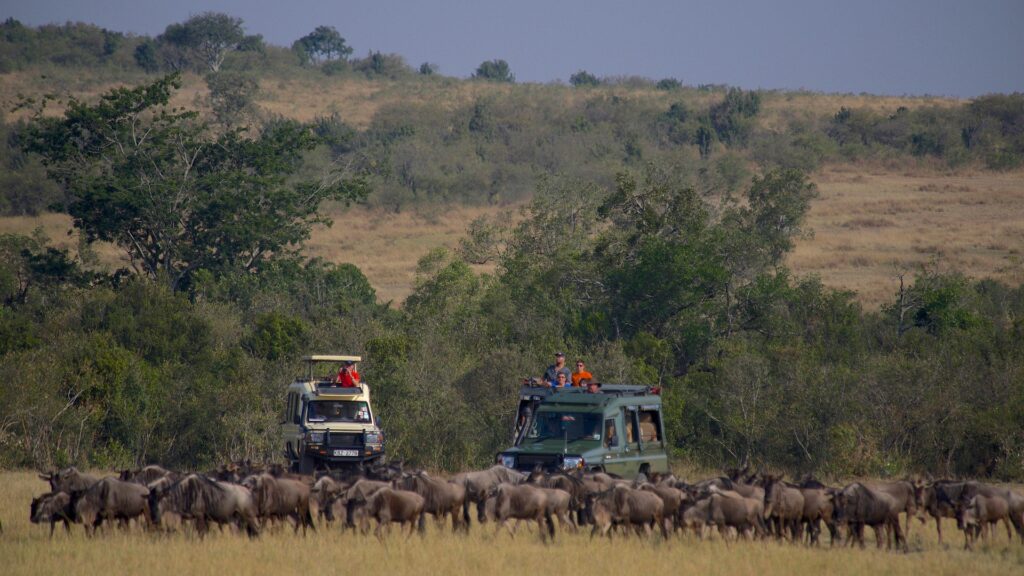
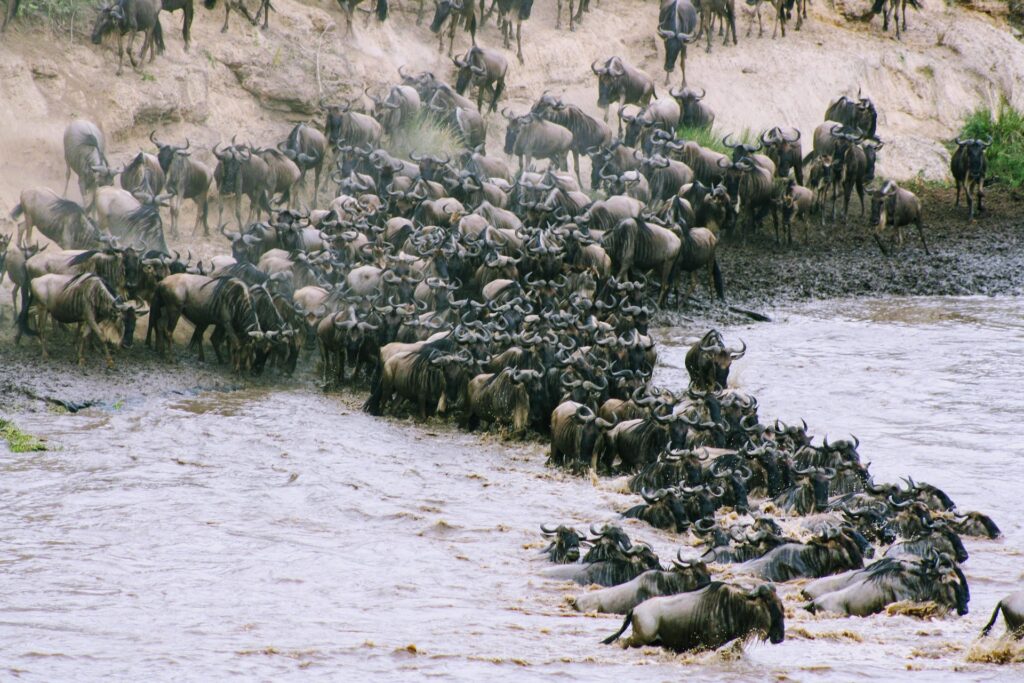
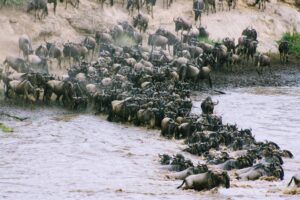
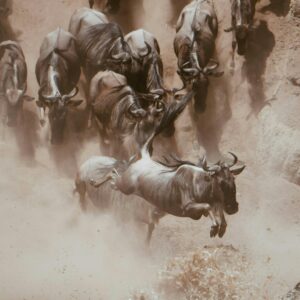
Wildebeest build up at the Mara River

The most iconic stage of the Great Migration unfolds along the northern Serengeti and into Kenya’s Maasai Mara, where the herds must cross the formidable Mara River. These crossings are unpredictable, often chaotic, and emotionally charged, as animals leap into fast-flowing waters filled with strong currents and lurking crocodiles. The reward for their peril is lush grazing on the Mara’s open plains. For visitors, this is the peak spectacle of the migration—raw, dramatic, and unforgettable—representing the relentless drive of life in the wild.

Return South Through the Eastern Serengeti (November – December)

Around November and December the migrating herd returns South using the Eastern route

As short rains return to the southern Serengeti, the herds begin their journey back east and south, closing the annual loop of the migration. This stage is characterized by movement across wide, open landscapes as animals regain strength after months of travel and danger. Predators remain active, and the plains slowly green once again in preparation for the next calving season. For travelers, this period offers a quieter, more reflective safari experience—one that highlights the migration’s cyclical nature and the enduring rhythms of the African wilderness.

Masai Mara National Reserve Tours & Safaris

5-Day Samburu & Masai Mara Wildlife Expedition

Highlights

Encounter the Rare Northern Species of Kenya

Destinations Visited
Samburu National Reserve Lake Naivasha - Scenic Rift Valley Stop-Over Masai Mara National Reserve
3 Days

Short n Sweet Maasai Mara Classic Safari

From US$ 580 PPS
Highlights

Arguaalbly the Best Safaru Destination in Africa

Destinations Visited
Masai Mara National Reserve
5 Days

5 Days Masai Mara & Lake Naivasha Combo

From US$ 1,420 PPS
Highlights

Big game meets tranquil lakeshore escapes

Destinations Visited
Masai Mara National Reserve Lake Naivasha - Scenic Rift Valley Stop-Over
4 Days

Classic Masai Mara Safari — 4 Days

From US$ 1,150 PPS
Highlights

Epic Big Five encounters on the Mara plains

Destinations Visited
Masai Mara National Reserve

Tours & Safaris

Featured Destinations

Selected Complementary Destinations

Amboseli National Park

Top Reasons to Visit
Big 5 Wildlife Year-Round Safari

Serengeti National Park

Top Reasons to Visit
Big 5 Wildlife Year-Round Safari Family Friendly

Samburu National Reserve

Top Reasons to Visit
Bird Watchers' Paradise Big 5 Wildlife Family Friendly

Lake Naivasha – Scenic Rift Valley Stop-Over

Top Reasons to Visit
Year-Round Safari Family Friendly

Lake Nakuru National Park

Top Reasons to Visit
Rhino Sanctuary Big 5 Wildlife Year-Round Safari Family Friendly

Nairobi National Park

Top Reasons to Visit
Nairobi Animal Orphanage Big 5 Wildlife Year-Round Safari Family Friendly

Nairobi

Top Reasons to Visit
Good Mobile Network Nairobi National Park Technocity Vibrant African City

Diani Beach

Top Reasons to Visit
Warm Tropical Beach Year-Round Safari

Plan Your Journey to Masai Mara National Reserve

Ready to explore? Our travel specialists are here to help craft your dream itinerary.

Chat on WhatsApp
Created by icon tripfrom the Noun Project Created by Amethyst Studiofrom the Noun Project Created by Amethyst Studiofrom the Noun Project Created by Amethyst Studiofrom the Noun Project