
Places to visit in the Ngorongoro Conservation Area
The Crater Floor – A Natural Stronghold
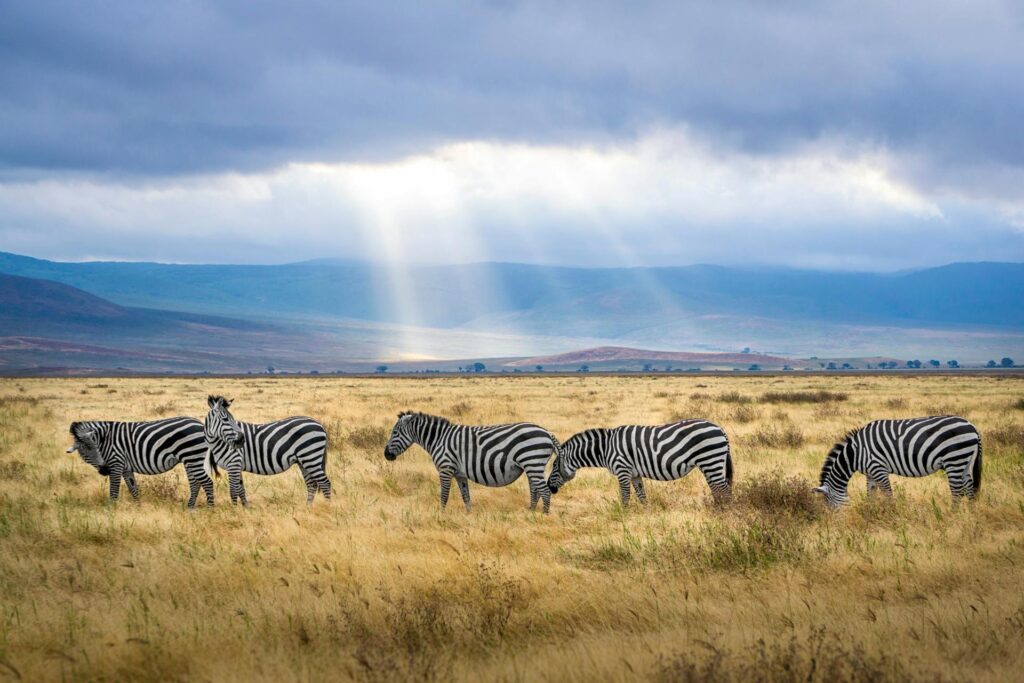
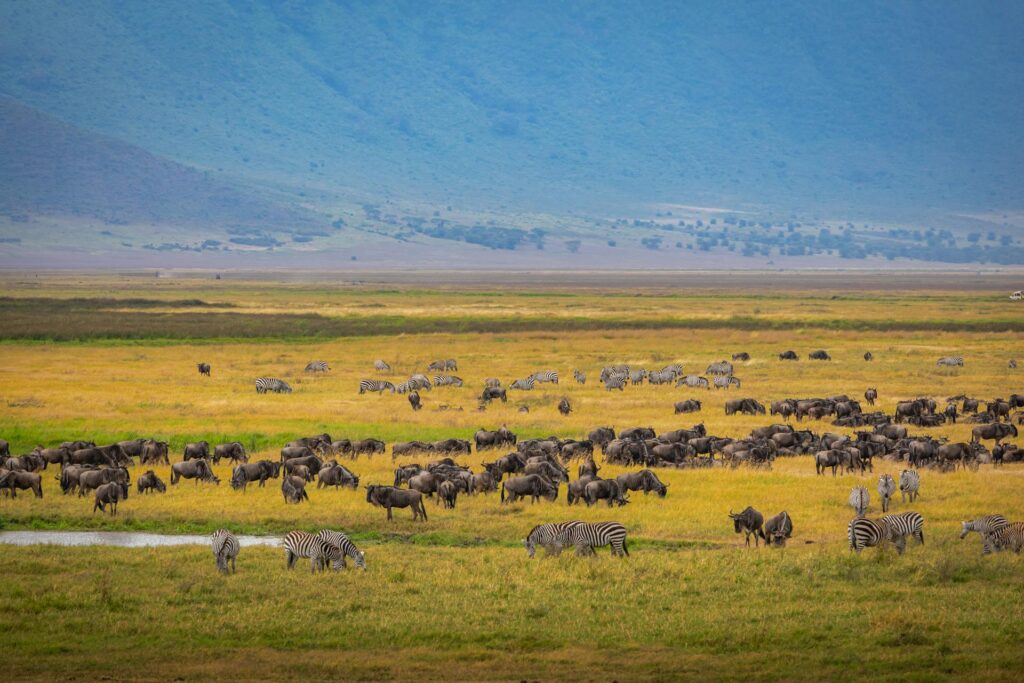
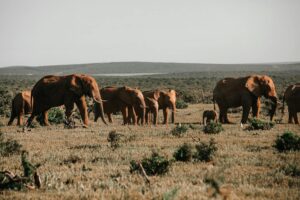
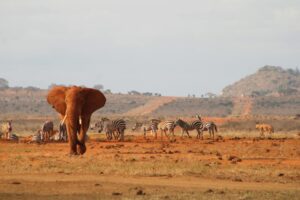
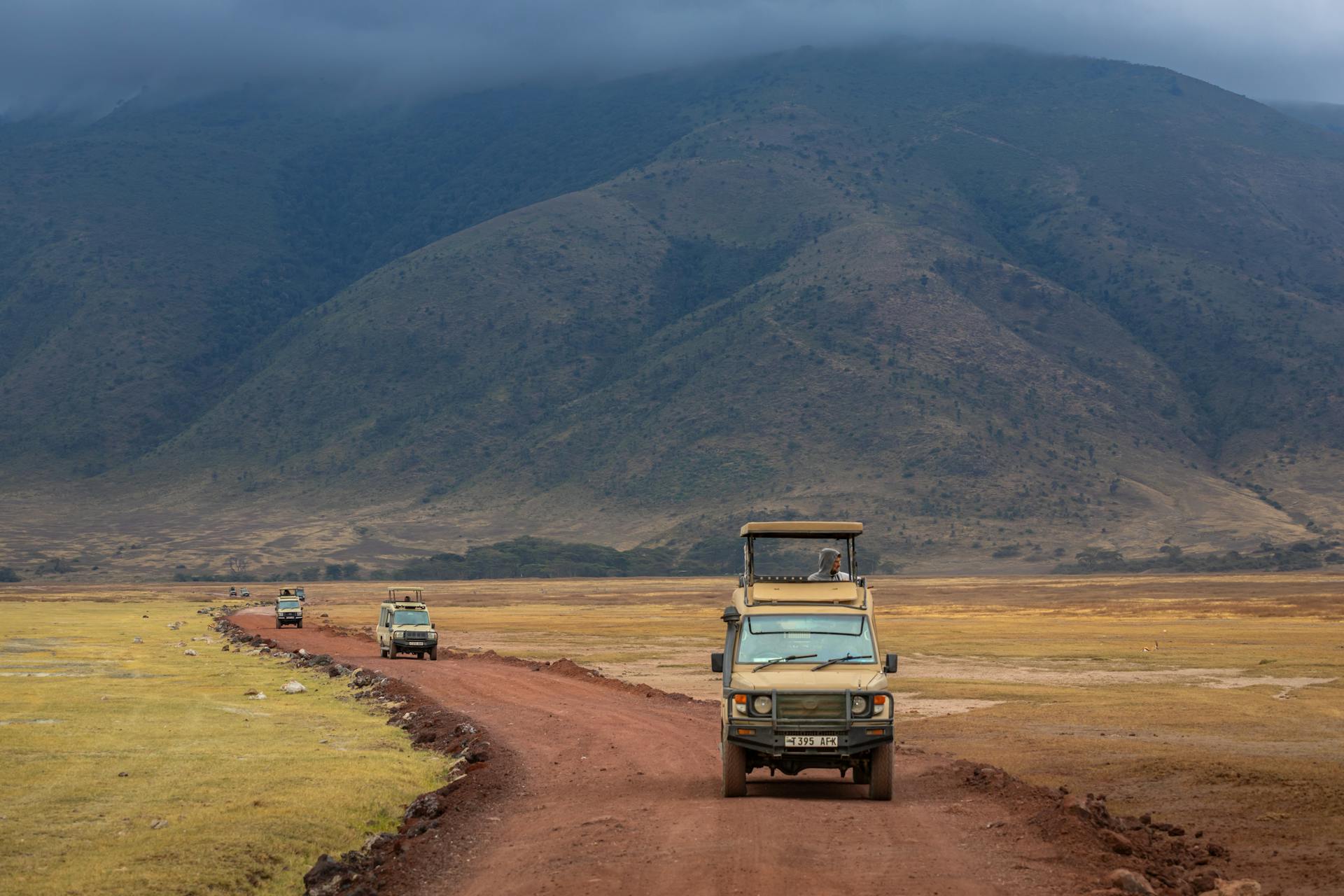
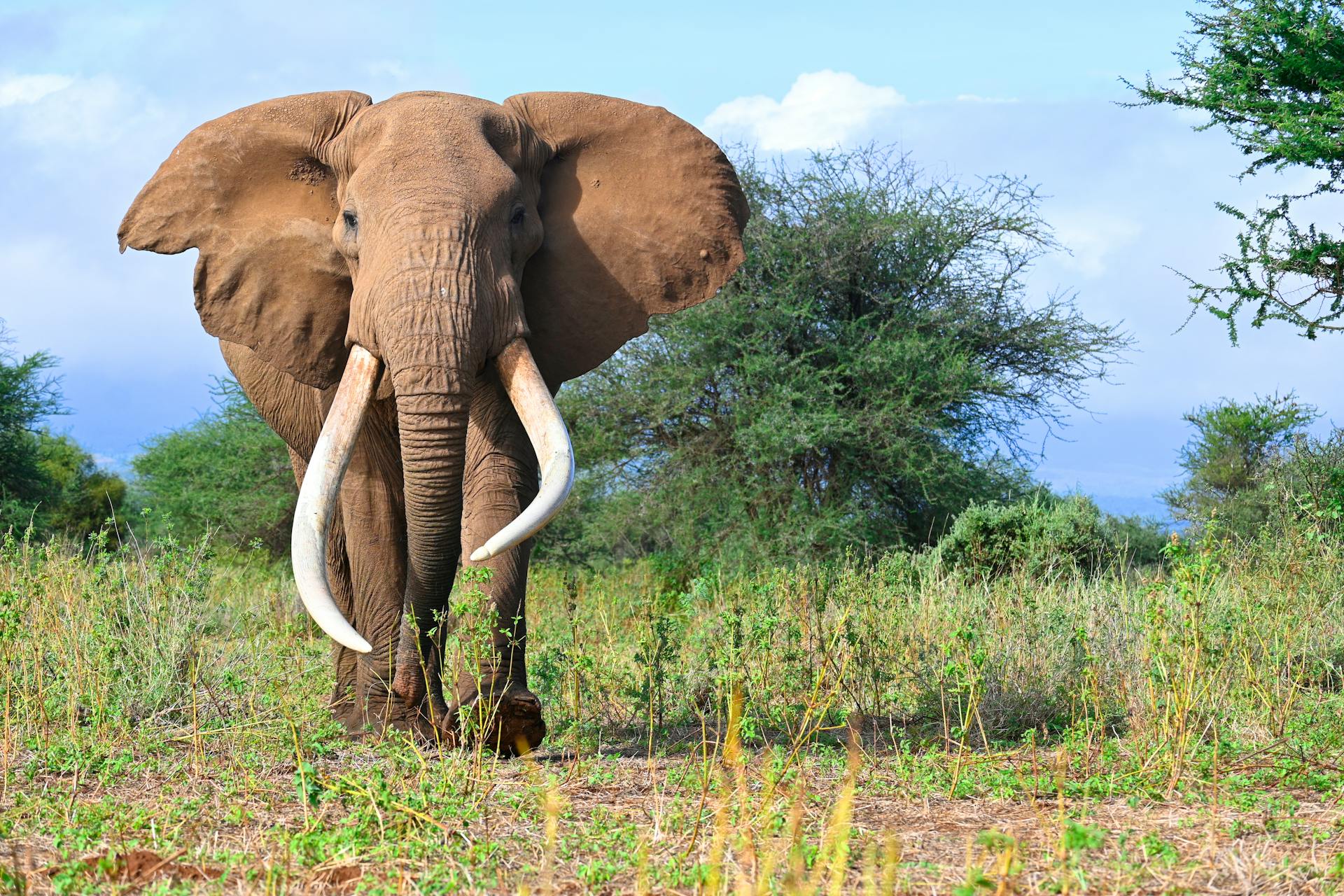
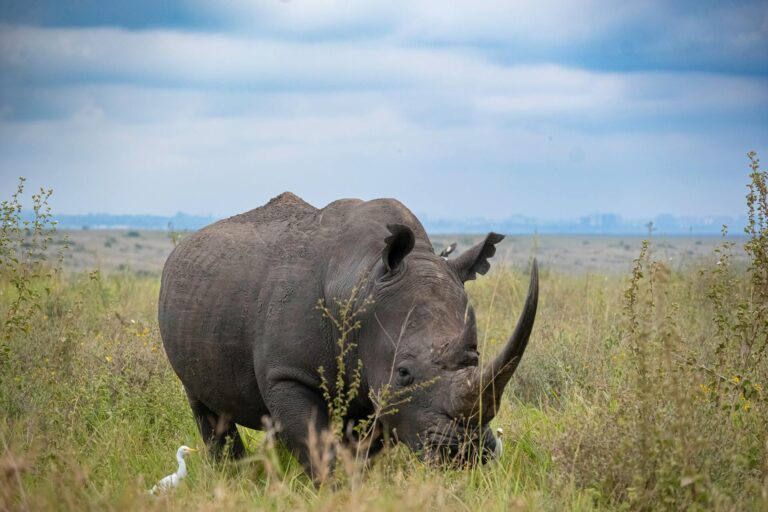
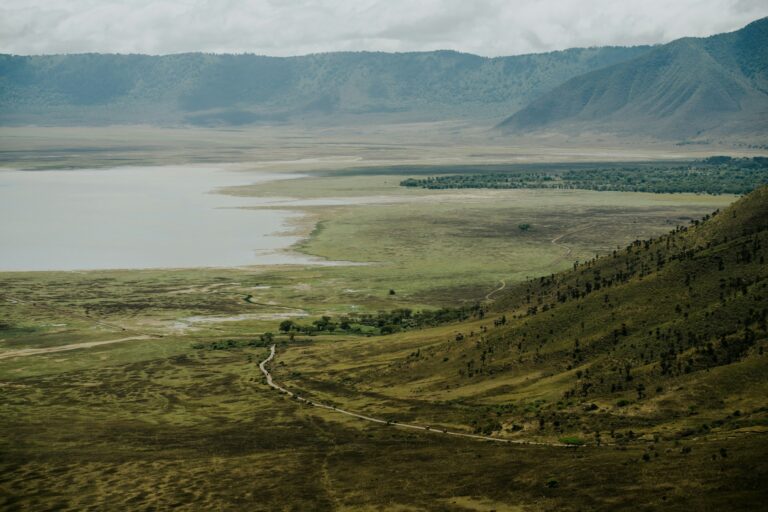
The 600-meter-deep caldera floor is a self-contained ecosystem. This 260-square-kilometer arena provides permanent water and grazing, supporting over 25,000 large mammals year-round. It is the most reliable place in East Africa to see the endangered black rhino and massive “tusker” elephants against the backdrop of the steep crater walls.
The Crater Rim – The Mist-Shrouded Highlands
Rising to an altitude of 2,300 meters, the rim is a lush, high-altitude forest environment. It offers the iconic panoramic views of the caldera below. Because of the elevation, it is significantly cooler and prone to morning mists, providing a stark contrast to the heat of the plains and housing specialized birdlife and leopards within the dense canopy.
The Ndutu Plains – The Migration Hub
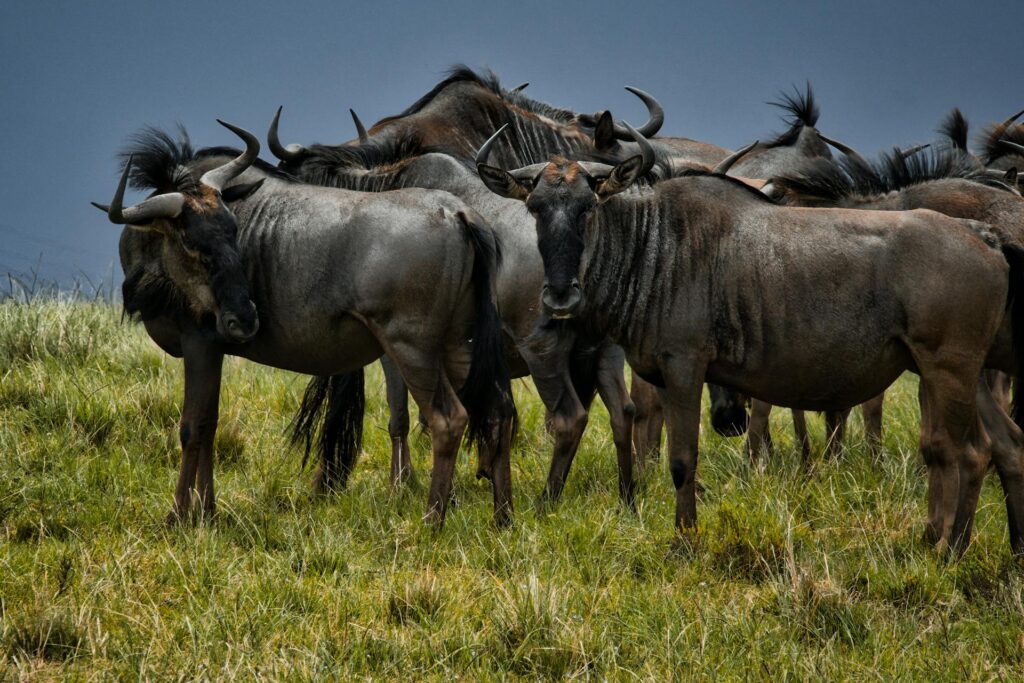
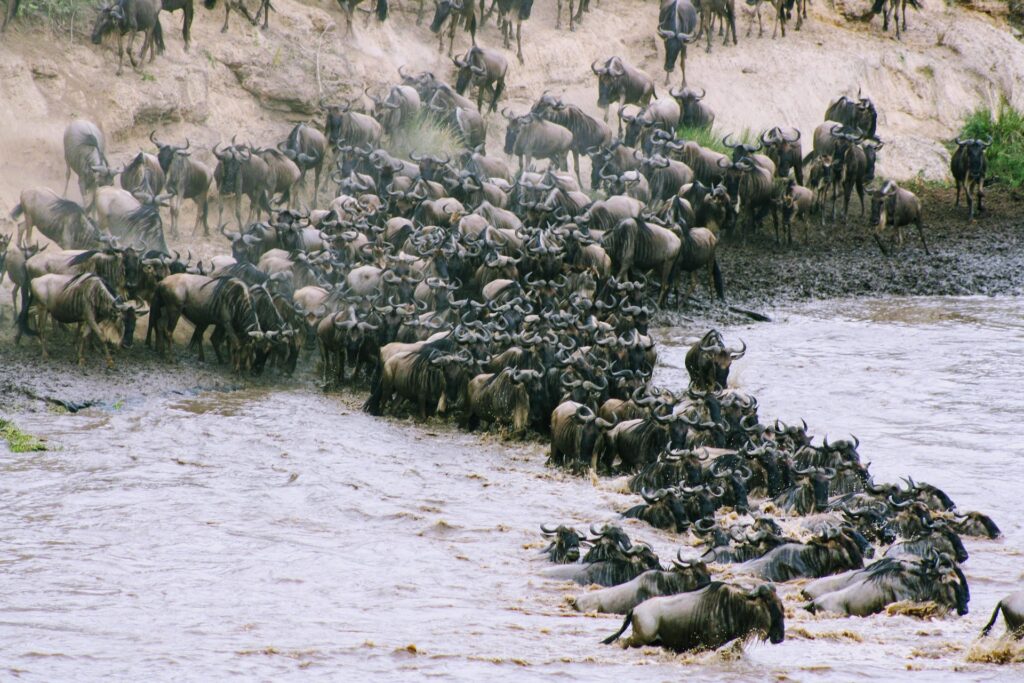
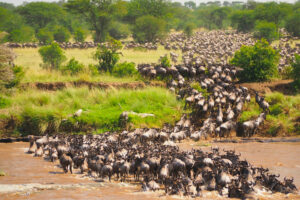
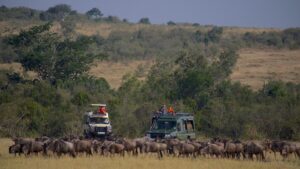
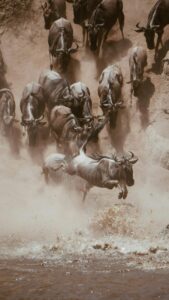
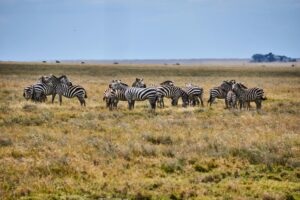
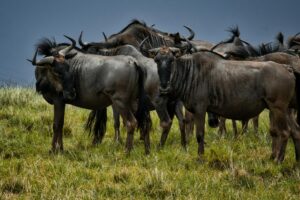
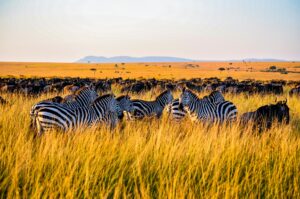
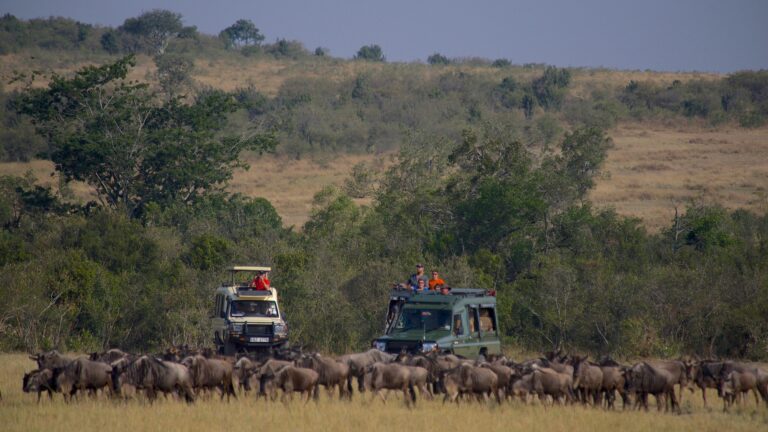
Located on the western edge of the NCA, these short-grass plains bridge the gap between Ngorongoro and the Serengeti. From December to March, this region becomes the focal point of the Great Migration. The nutrient-rich volcanic soil provides the ideal grass for calving, attracting hundreds of thousands of wildebeest and their associated predators.
The Empakaai & Olmoti Craters – The Wilderness Trek
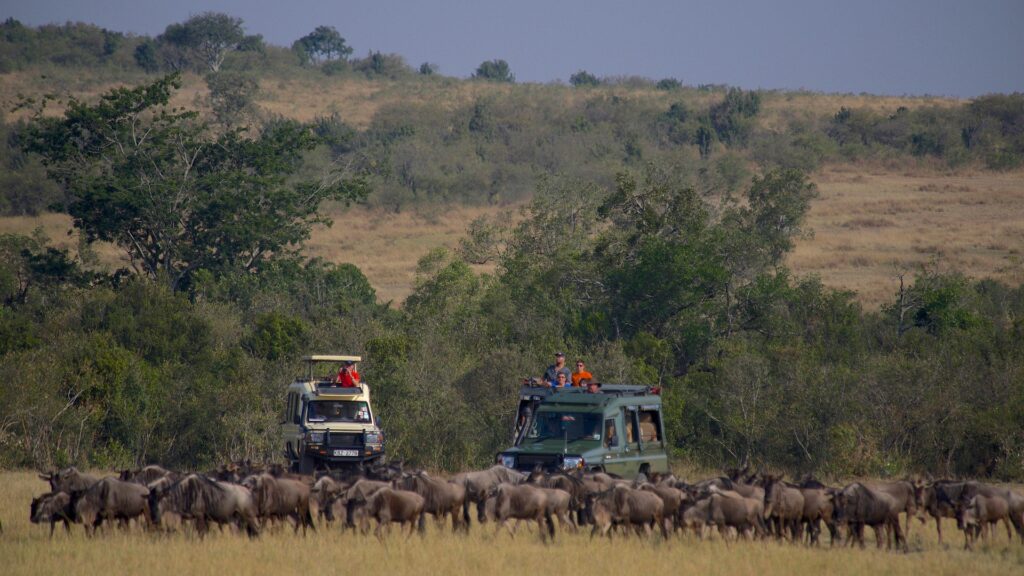
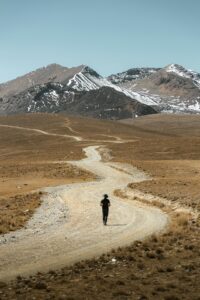
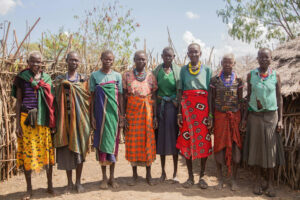
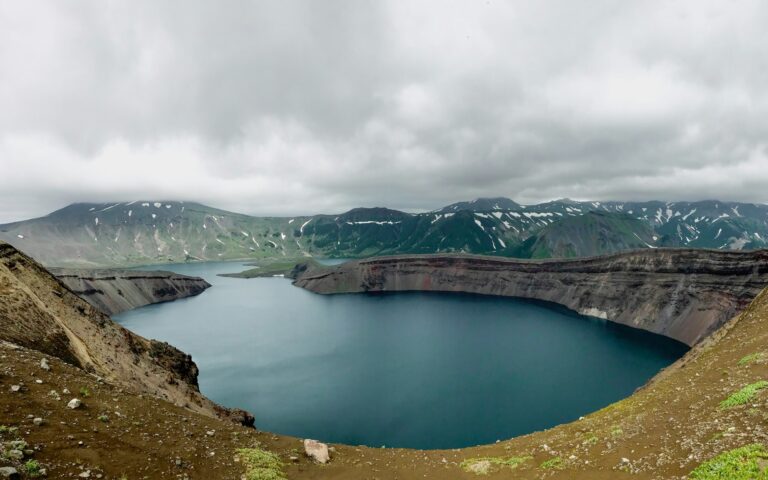
For those seeking solitude away from safari vehicles, these smaller craters offer remote hiking opportunities. Empakaai is famous for its deep soda lake that often turns pink with thousands of flamingos, while Olmoti is known for its beautiful waterfalls and the chance to walk alongside Maasai herders in an undisturbed highland setting.
The Gol Mountains & Nasera Rock – The Ancient Frontier
This rugged, northern region is characterized by ancient metamorphic rock formations and stark, beautiful isolation. It serves as a critical corridor for wildlife and a sacred site for the Maasai. It is one of the best places for “walking safaris” and seeing the starker, more mountainous side of the conservation area.